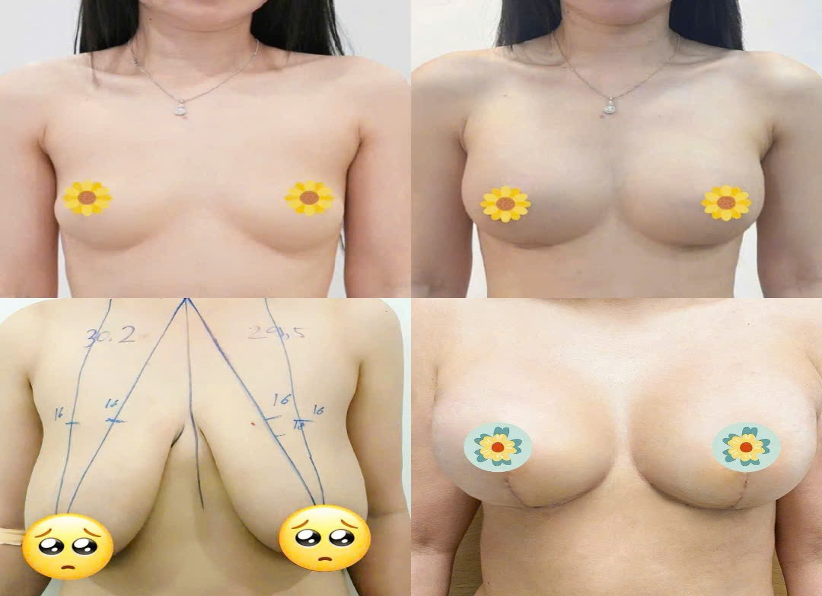

I- Understanding Breast Augmentation: More Than Increasing Breast Size
Breast augmentation is one of the most commonly performed aesthetic surgical procedures worldwide. While many people associate the operation with increasing breast size, its primary objective is to improve body proportions, restore lost breast volume, and create a breast shape that complements each patient’s individual anatomy.
Women seek breast augmentation for many different reasons. Some naturally have small or underdeveloped breasts (breast hypoplasia) that appear disproportionate to their overall body frame. Others experience a significant loss of breast volume following pregnancy, breastfeeding, or substantial weight loss. Breast asymmetry, where one breast is noticeably different in size or shape from the other, is another common indication for surgery.
Modern breast augmentation has evolved considerably over the past decade. Rather than pursuing the largest possible breast size, contemporary aesthetic surgery focuses on achieving natural-looking breasts that are balanced with the patient’s chest, shoulders, waistline, and overall body proportions.
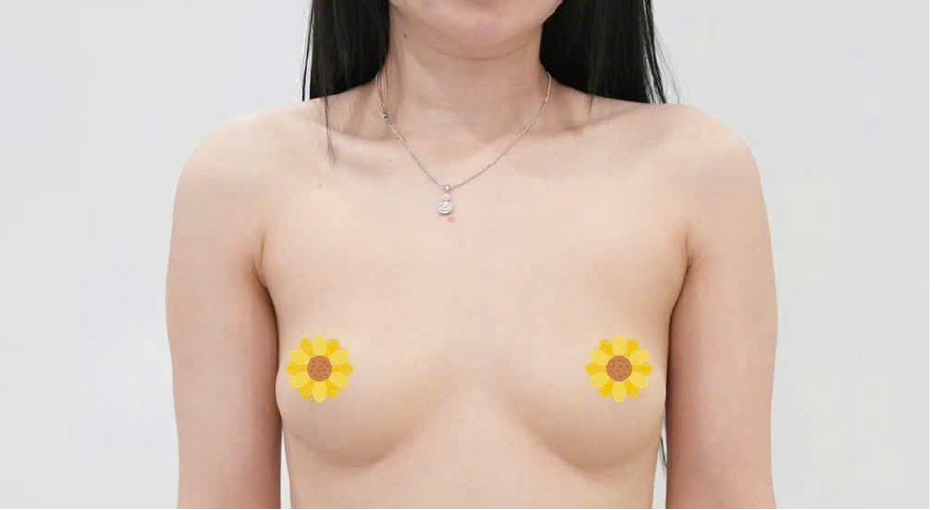
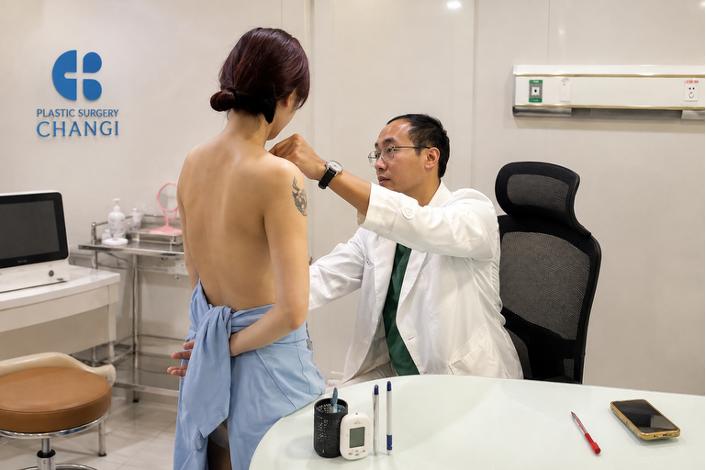
Not every patient is suited to the same implant or the same surgical technique. Before recommending treatment, the surgeon carefully evaluates chest width, soft tissue thickness, skin quality, nipple position, breast symmetry, and each patient’s aesthetic expectations.
Selecting the appropriate implant involves far more than choosing a volume measured in cubic centimeters (cc). The ideal implant should match the patient’s breast base width, desired projection, available soft tissue coverage, and overall body proportions. Choosing an excessively large implant may increase the risk of early breast sagging, soft tissue thinning, implant visibility, or a less natural appearance.
Patient safety remains one of the most important considerations in modern breast augmentation. Careful patient selection, high-quality medical implants, surgery performed in an accredited hospital, and individualized treatment planning all contribute to reducing complications and improving long-term outcomes.
Breast implant technology has advanced significantly over recent years. Modern cohesive silicone gel implants are designed to provide improved structural stability while maintaining a soft, natural feel. These developments allow surgeons to better tailor implant selection to each patient’s anatomy and aesthetic goals.

The goal of contemporary breast augmentation is not simply to create larger breasts. Instead, it is to achieve harmonious body proportions through careful implant selection, meticulous surgical planning, and techniques tailored to each patient’s unique anatomy. When these principles are combined, breast augmentation can produce natural-looking, balanced, and durable aesthetic results.
II – Implant Selection and Surgical Techniques
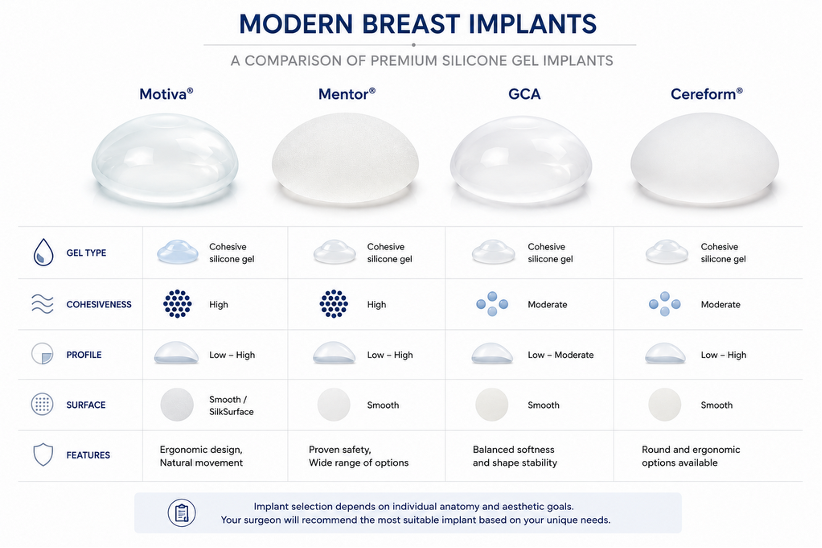
Selecting the appropriate breast implant is one of the most important decisions in breast augmentation. Rather than focusing solely on implant volume, modern surgical planning considers breast dimensions, chest width, soft tissue thickness, skin elasticity, and the patient’s desired appearance. The goal is to select an implant that complements the patient’s anatomy while providing long-term stability and a natural-looking result.
Today, several cohesive silicone gel implants are available worldwide. Although each manufacturer offers unique design characteristics, all modern implants are developed to provide durability, shape retention, and a natural consistency. Depending on the patient’s anatomy and treatment goals, the surgeon may recommend implants such as Motiva®, Mentor®, Sebbin®, or Cereform®.
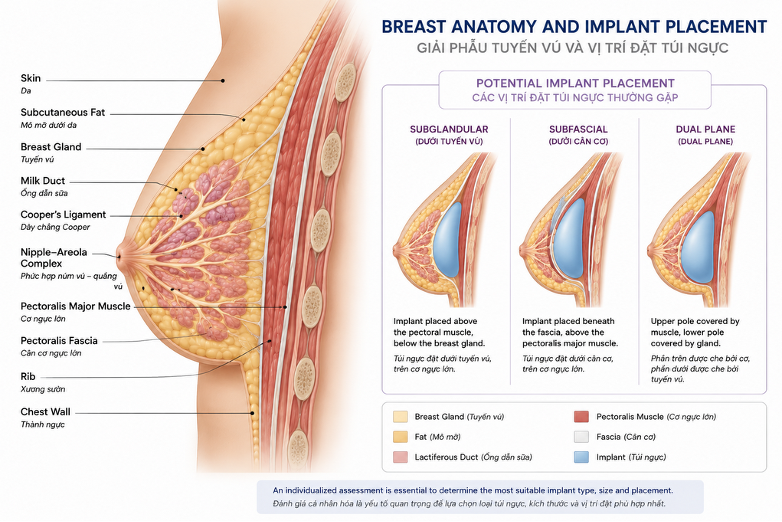
In addition to implant selection, determining the appropriate implant pocket is another critical step in treatment planning.
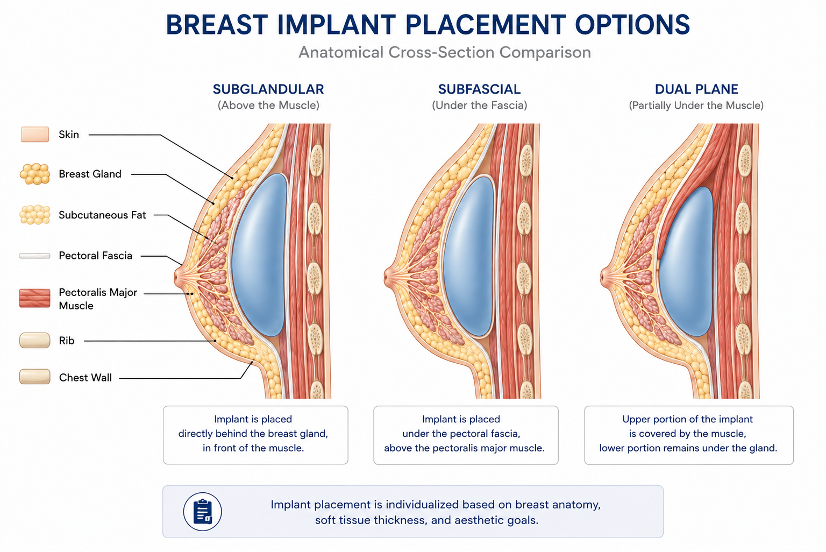
Breast implants may be positioned in different anatomical planes depending on soft tissue coverage, breast gland volume, and the patient’s body habitus. The most commonly used techniques include subglandular placement, subfascial placement, and dual-plane augmentation.
Subglandular placement positions the implant directly beneath the breast tissue. Subfascial placement positions the implant beneath the pectoral fascia while preserving the muscle. Dual-plane augmentation combines partial muscular coverage with glandular expansion and is frequently selected to improve upper-pole coverage while maintaining a natural breast contour in appropriately selected patients.
Each technique has specific advantages and limitations. Rather than applying one method universally, implant placement is individualized according to each patient’s anatomy and surgical objectives.
Another important aspect of breast augmentation is the choice of incision. Common surgical approaches include the inframammary fold, periareolar, and transaxillary incisions. Each approach provides different advantages depending on implant size, breast anatomy, and the patient’s individual preferences.
The inframammary incision is widely used because it offers excellent surgical exposure and allows precise implant placement. Periareolar and transaxillary approaches may be appropriate in selected patients based on anatomical considerations and aesthetic goals.
Regardless of the incision used, modern surgical techniques emphasize careful tissue handling, meticulous hemostasis, and layered wound closure to promote optimal healing and minimize visible scarring.
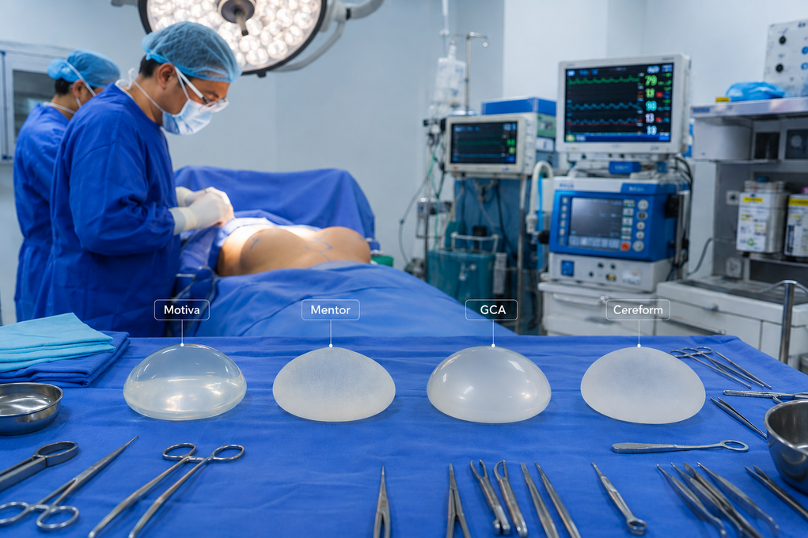
Successful breast augmentation is achieved through the combination of appropriate implant selection, individualized surgical planning, meticulous operative technique, and careful consideration of each patient’s anatomy. Rather than pursuing a standardized implant size, modern aesthetic breast surgery focuses on creating balanced, proportionate, and natural-looking results that harmonize with the patient’s overall body contour.
III- Recovery, Long-Term Results, and Frequently Asked Questions
Recovery following breast augmentation varies depending on implant type, implant placement, surgical technique, and individual healing characteristics. Although most patients are able to resume light daily activities within a relatively short period, carefully following postoperative instructions plays an essential role in achieving stable, long-lasting results.
During the first few days after surgery, patients commonly experience tightness or mild discomfort across the chest, particularly when moving the arms or changing position. Mild to moderate swelling and bruising are also expected during the early stages of healing and gradually improve over the following weeks.
Wearing a postoperative surgical bra helps stabilize the implants, reduce swelling, and support the surrounding soft tissues as they adapt to their new shape. Patients are generally advised to avoid heavy lifting and strenuous chest muscle activity during the initial recovery period to promote optimal healing.
Breast shape continues to evolve during the first several months after surgery as swelling gradually subsides and the surrounding tissues adapt to the implants. Final aesthetic results are typically assessed approximately three to six months postoperatively, although scar maturation and soft tissue remodeling continue beyond this period.
Modern cohesive silicone gel implants are designed for long-term durability. However, no breast implant should be considered a lifetime device. Routine follow-up examinations allow the surgeon to evaluate implant integrity, breast symmetry, and overall long-term outcomes.
Beyond increasing breast volume, breast augmentation aims to improve body proportions, restore breast fullness, and enhance self-confidence while maintaining a natural appearance appropriate for each patient’s anatomy.
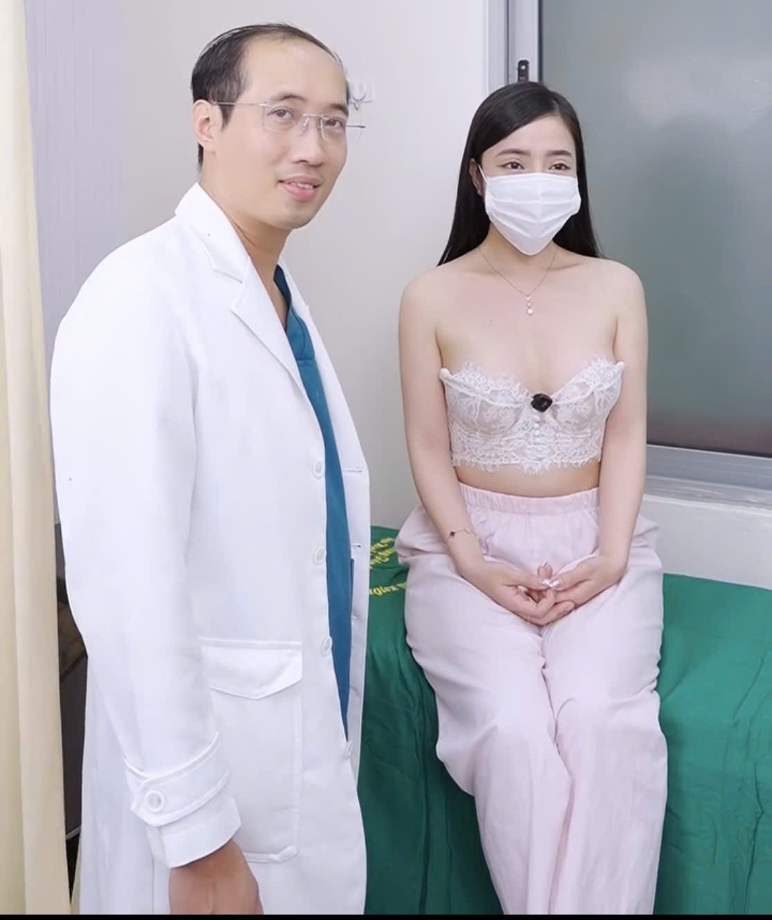
Like all surgical procedures, breast augmentation carries potential risks. Appropriate patient selection, high-quality implants, meticulous surgical technique, and structured postoperative follow-up substantially reduce the likelihood of complications.
Potential complications may include:
- Bleeding or hematoma
- Infection
- Capsular contracture
- Implant malposition
- Breast asymmetry
- Temporary or permanent sensory changes
- Implant rupture (uncommon)
Routine long-term follow-up helps identify potential concerns early and facilitates appropriate management if necessary.
Frequently Asked Questions
When can I return to work?
Most patients can return to office-based work within approximately one week, depending on their recovery and job requirements.
How long does it take for the breasts to feel natural?
The breasts gradually soften over several months as swelling resolves and the surrounding tissues adapt to the implants.
Do breast implants need routine replacement?
Routine replacement is not required for every patient. Periodic clinical evaluation helps determine whether implant exchange is necessary.
Can I breastfeed after breast augmentation?
Breastfeeding capability depends on multiple factors, including surgical technique, incision location, and individual anatomy. This should be discussed during the preoperative consultation.
Will breast implants interfere with breast cancer screening?
Women with breast implants should continue age-appropriate breast cancer screening. Patients should always inform radiology personnel that they have breast implants before undergoing mammography or other breast imaging studies.