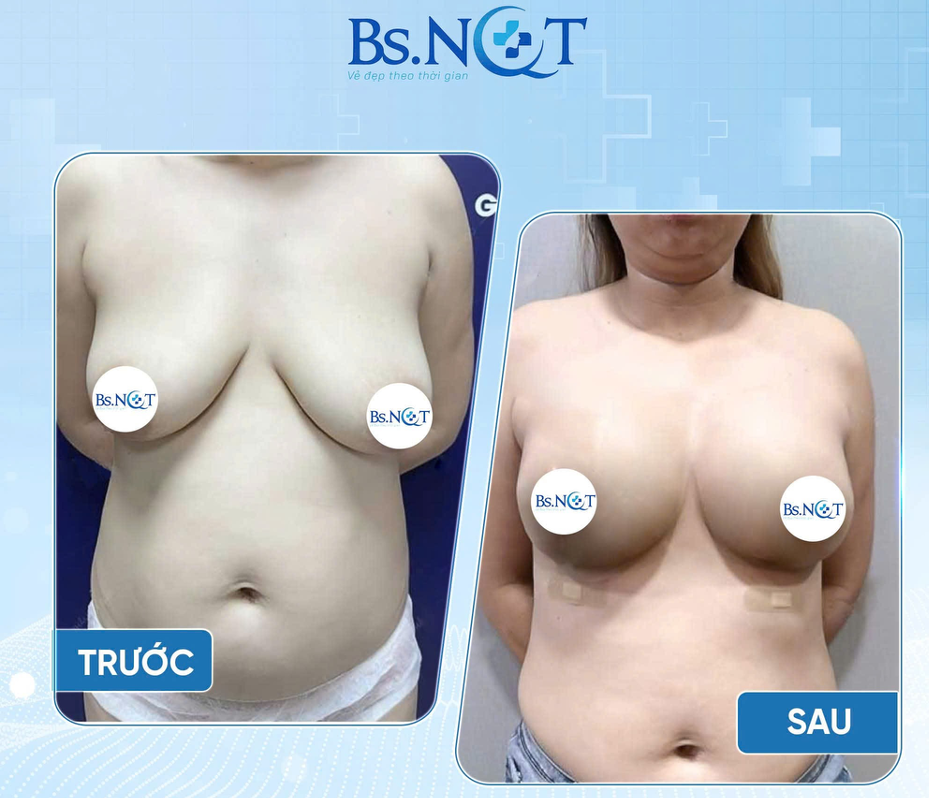

I- Understanding Breast Ptosis and Mastopexy
Over time, breast shape changes as a result of pregnancy, breastfeeding, significant weight loss, natural aging, and the effects of gravity. As the supporting ligaments and skin gradually lose elasticity, the breast tissue descends and the nipple moves below its youthful position. This condition is known as breast ptosis.
Unlike breast augmentation, the primary goal of mastopexy (breast lift) is not to increase breast size, but to restore the nipple and breast tissue to a more youthful anatomical position while removing excess skin. In many patients, breast lift surgery improves breast shape and firmness without the need for implants.
Breast ptosis varies considerably in severity. Some women develop only mild sagging after pregnancy, whereas others experience significant descent following multiple pregnancies, major weight loss, or age-related tissue changes. Correctly assessing the degree of ptosis is one of the most important steps in selecting the most appropriate surgical technique.
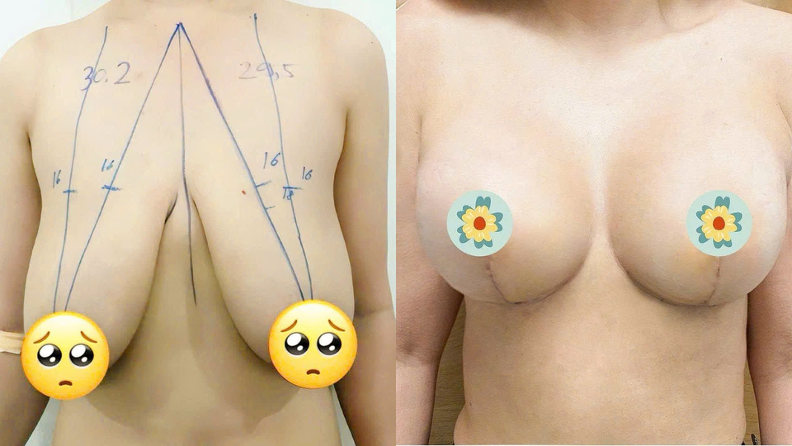
Breast ptosis is commonly evaluated according to the position of the nipple relative to the inframammary fold and the degree of glandular descent. One of the most widely accepted systems is the Regnault Classification, which categorizes breast ptosis into Grade I, Grade II, Grade III, and Pseudoptosis. This classification helps surgeons determine the most appropriate lifting technique and establish realistic surgical expectations.
In addition to the degree of ptosis, the surgeon also evaluates breast volume, skin quality, areolar size, breast symmetry, and overall chest proportions. These anatomical characteristics directly influence surgical planning and the anticipated postoperative outcome.

One of the most common questions patients ask is whether a breast lift should be combined with breast augmentation.
The answer depends on the amount of remaining breast tissue and the patient’s aesthetic goals. Women who retain sufficient breast volume may achieve excellent results with mastopexy alone. However, patients who have experienced significant volume loss after pregnancy or weight reduction may benefit from combining mastopexy with breast implants to restore upper-pole fullness and improve overall breast shape.
Therefore, treatment planning is based not only on the degree of breast ptosis but also on breast volume, skin quality, soft tissue support, body proportions, and each patient’s individual expectations.

The goal of modern mastopexy extends beyond simply elevating the nipple. Contemporary breast lift surgery aims to restore balanced breast proportions, improve firmness, and create a natural breast shape that harmonizes with each patient’s anatomy. Careful patient selection and individualized surgical planning remain fundamental to achieving safe, durable, and aesthetically pleasing results.
II- Surgical Techniques and Operative Planning
Modern mastopexy is not a single procedure but a group of surgical techniques tailored to each patient’s anatomy. After evaluating the degree of breast ptosis, remaining breast volume, skin quality, and aesthetic expectations, the surgeon selects the most appropriate approach to restore breast shape while minimizing unnecessary scarring.
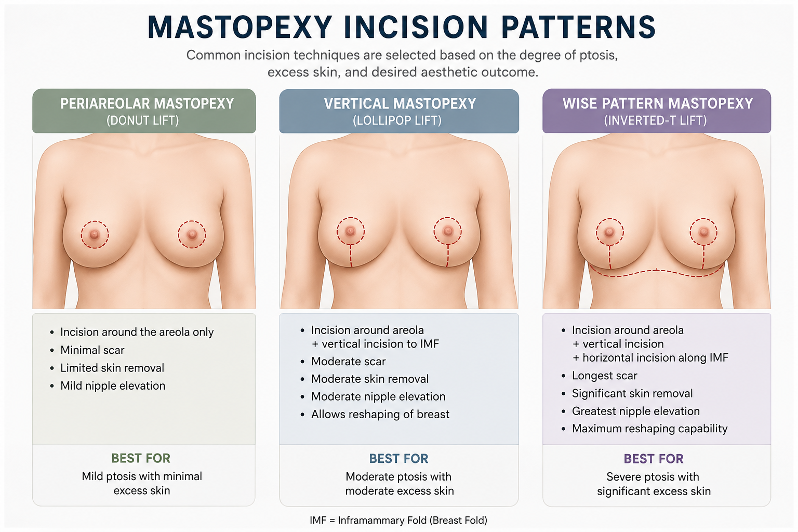
The primary difference between mastopexy techniques lies in the incision pattern, the amount of excess skin removed, and the extent of breast reshaping required.
For patients with mild breast ptosis, Periareolar Mastopexy may be appropriate. This technique uses an incision placed around the areola and is generally reserved for cases requiring only limited nipple elevation.
Patients with moderate ptosis are frequently treated using Vertical Mastopexy, commonly known as the lollipop technique. By combining a periareolar incision with a vertical incision extending toward the inframammary fold, this approach allows greater skin removal and improved breast reshaping.
For severe breast ptosis or significant excess skin following pregnancy or major weight loss, Wise Pattern Mastopexy (the inverted-T technique) often provides the greatest flexibility for breast reconstruction and contour restoration.
Modern breast lift surgery involves much more than removing excess skin. One of the primary objectives is to reshape and support the breast tissue itself.
During mastopexy, the breast gland is repositioned higher on the chest, the upper breast contour is restored, and the nipple–areola complex is elevated to a more youthful anatomical position. Enlarged areolas may also be reduced when appropriate to improve overall breast proportions.
Rather than simply lifting the nipple, contemporary mastopexy focuses on internal breast reshaping to create a more stable and natural breast contour over time.
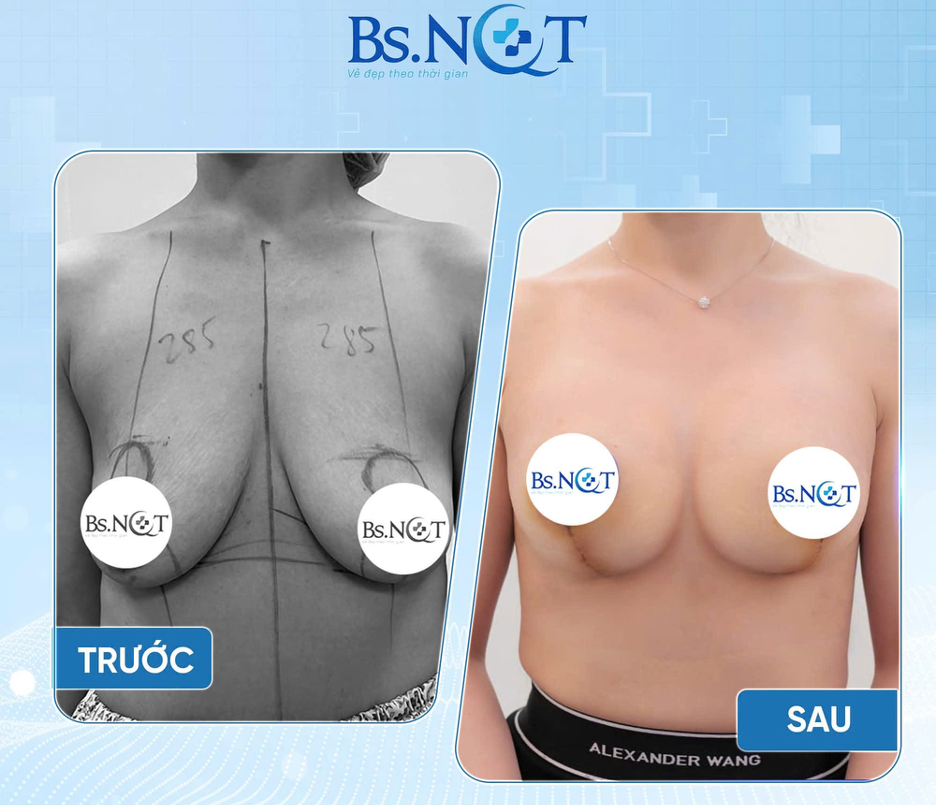
In selected patients, mastopexy may be combined with breast augmentation.
Women who have significant volume loss—particularly in the upper pole—may benefit from breast implants to restore fullness while simultaneously correcting breast ptosis. Conversely, patients with sufficient native breast volume may achieve excellent aesthetic improvement through mastopexy alone.
The decision to combine implants with mastopexy is based on breast anatomy, remaining breast tissue, skin quality, and the patient’s desired outcome rather than a standardized treatment protocol.
The operation is performed in a modern sterile operating room under general anesthesia with continuous physiological monitoring. After breast reshaping and careful assessment of symmetry, the incisions are closed in multiple anatomical layers to promote optimal wound healing and minimize scar tension.
Selecting the appropriate mastopexy technique is essential not only for correcting nipple position but also for restoring breast shape, upper-pole fullness, and long-term stability. Individualized surgical planning remains one of the most important factors in achieving natural, balanced, and durable results.
III – Recovery, Long-Term Results, and Frequently Asked Questions
Recovery following mastopexy varies according to the severity of breast ptosis, the surgical technique performed, individual healing characteristics, and whether breast implants are combined with the procedure. Although many patients resume light daily activities within a relatively short period, careful adherence to postoperative instructions is essential for achieving durable aesthetic results.
During the first few days after surgery, patients commonly experience tightness across the breasts, particularly when raising the arms or changing position. Mild to moderate swelling and bruising are expected as the breast tissues adapt to their new position and gradually resolve during the following weeks.
A postoperative support bra plays an important role by supporting the breasts, reducing swelling, minimizing tension on the incisions, and helping maintain the newly reconstructed breast contour. Patients are generally advised to avoid heavy lifting and strenuous upper-body activity during the early recovery period.
Breast shape continues to evolve during the first several months after surgery as swelling subsides and the soft tissues gradually stabilize. Final aesthetic outcomes are generally assessed three to six months postoperatively, although scar maturation continues for a considerably longer period.
Scarring is a common concern among patients considering mastopexy. While scars cannot be completely eliminated, meticulous layered closure, appropriate scar management, and routine follow-up care help optimize scar quality over time.
When patients maintain a stable body weight and wear appropriate breast support, mastopexy results may remain stable for many years. Nevertheless, natural aging, pregnancy, and significant weight fluctuations may continue to influence breast shape over time.

Like any surgical procedure, mastopexy carries potential risks, although careful patient selection, meticulous surgical technique, and structured postoperative care substantially reduce their occurrence.
Potential complications include:
- Bleeding or hematoma
- Infection
- Delayed wound healing
- Hypertrophic or widened scars
- Breast asymmetry
- Temporary or permanent changes in nipple sensation
- Recurrent breast ptosis over time
- Partial nipple–areola necrosis (rare)
Routine follow-up appointments allow early identification and management of postoperative concerns.
Frequently Asked Questions
When can I return to work?
Most patients can return to office-based work within approximately one week, depending on individual recovery.
Will I still be able to breastfeed after mastopexy?
Breastfeeding capability depends on surgical technique and individual breast anatomy. This should be discussed during the preoperative consultation.
Will the scars disappear completely?
No. However, most scars gradually soften and become less noticeable with appropriate postoperative scar care.
When can I resume exercise?
Light walking is encouraged early after surgery. More strenuous exercise should only be resumed after clearance from the surgeon.
Will mastopexy prevent future breast sagging?
Mastopexy restores breast shape but cannot completely prevent future changes associated with aging, pregnancy, or significant weight fluctuations.