

I. Introduction and Causes of Facial Aging
What Is a Facelift?
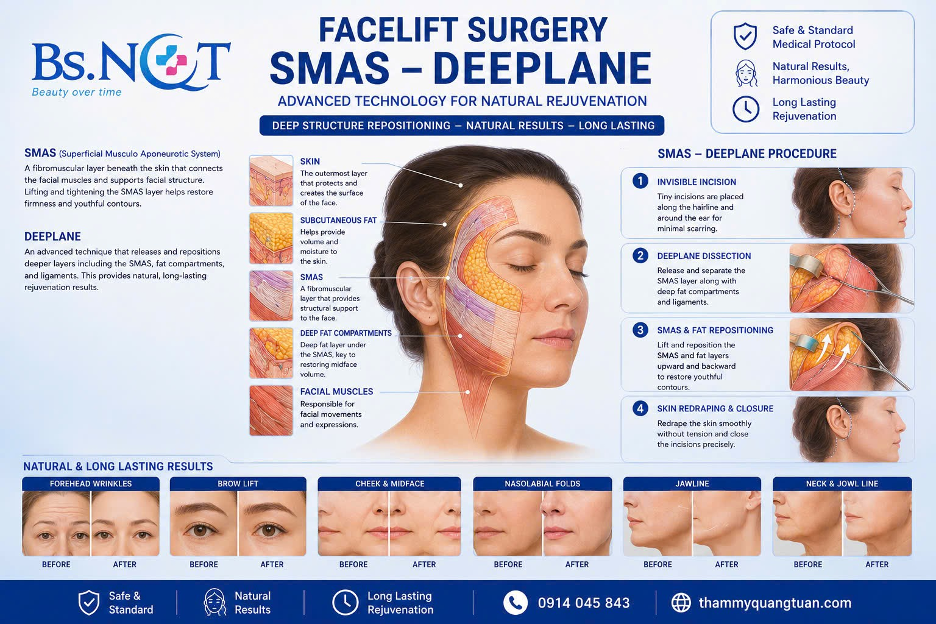
Facial aging is a natural process that affects everyone. As we grow older, not only does the skin gradually lose its elasticity, but the deeper soft tissues beneath the skin—including the Superficial Musculoaponeurotic System (SMAS), facial fat compartments, and the retaining ligament system—also begin to descend under the combined effects of aging and gravity. These structural changes are responsible for many of the visible signs of facial aging, including deep nasolabial folds, sagging cheeks, loss of jawline definition, and excess loose skin along the neck.
A facelift is a facial rejuvenation procedure that addresses these age-related structural changes by repositioning the deeper facial tissues before carefully removing an appropriate amount of excess skin. The purpose of the procedure is not to create a different face, but rather to restore a younger version of the patient’s own appearance while preserving natural facial contours, balance, and expression. A successful facelift should make patients look refreshed and more youthful without appearing artificial or overcorrected.
When Should You Consider a Facelift?
There is no specific age at which a facelift becomes necessary. Instead, the decision depends primarily on the degree of facial aging and each individual’s aesthetic concerns rather than chronological age alone.
You may wish to consider facelift surgery if you notice one or more of the following changes:
- Sagging cheeks causing loss of youthful facial contours.
- Deepening nasolabial folds and marionette lines.
- Development of jowls along the jawline.
- Loose neck skin with loss of the cervicomental angle.
- A facial appearance that consistently looks tired or older than your actual age.
During the early stages of facial aging, non-surgical treatments may provide partial improvement. However, once the deeper facial support structures have significantly descended, surgical treatment generally offers more comprehensive, predictable, and longer-lasting rejuvenation than non-surgical alternatives.
Why Does the Face Age?
Facial aging is the result of multiple biological and environmental factors acting together over time. Rather than being caused by changes in the skin alone, aging affects every layer of the face, from the skin to the deeper supporting structures. Understanding these changes helps explain why modern facelift surgery focuses on restoring the deeper tissues instead of simply tightening the skin.
Loss of Skin Elasticity
As we age, the body’s production of collagen and elastin gradually declines. These two proteins are responsible for maintaining the skin’s strength, elasticity, and resilience. As their levels decrease, the skin becomes thinner, less elastic, and more susceptible to wrinkles, laxity, and sagging.
Changes in Facial Fat
The facial fat compartments also change over time. Certain areas, such as the temples and midface, gradually lose volume, creating a hollow or sunken appearance. At the same time, other fat compartments shift downward under the influence of gravity, contributing to fullness around the lower face and jawline.
Descent of the SMAS Layer
The Superficial Musculoaponeurotic System (SMAS) is one of the most important structural support layers of the face. As this layer gradually weakens and descends, the overlying soft tissues also lose support and begin to sag. This process plays a major role in the development of jowls, deep facial folds, and loss of youthful facial contours.
Weakening of the Retaining Ligaments
The retaining ligaments are responsible for anchoring the facial soft tissues to the underlying skeletal structures. With aging, these ligaments gradually lose their strength and elasticity, reducing their ability to support the facial tissues against gravity. As a result, the soft tissues progressively descend, further contributing to facial aging.
External Factors
Environmental and lifestyle factors can significantly accelerate the aging process. Chronic sun exposure, cigarette smoking, prolonged stress, poor nutrition, and unhealthy lifestyle habits all contribute to the breakdown of collagen and elastin, leading to earlier and more pronounced facial aging.
Because facial aging occurs simultaneously in multiple tissue layers, simply tightening the skin cannot fully correct the underlying problem. Modern facelift techniques therefore focus on repositioning the deeper facial support structures first, followed by conservative redraping of the skin. This approach produces more natural-looking, balanced, and longer-lasting results while avoiding the overly tight appearance associated with older facelift techniques.
Areas That Can Be Improved with a Facelift
A modern facelift can simultaneously improve multiple areas of the face and neck, including sagging cheeks, deep nasolabial folds, marionette lines, loss of jawline definition, jowls, and loose neck skin. In selected patients, facelift surgery may also be combined with autologous fat grafting to restore lost facial volume in areas such as the temples, cheeks, or tear troughs, creating a younger, fuller, and more harmonious appearance.
II. Surgical Techniques and Treatment Process
Modern Facelift Techniques
Not all facelift procedures are the same. The primary differences lie in the anatomical layer that is treated, the degree of facial aging being addressed, and the intended treatment goals. Rather than applying a single technique to every patient, the surgeon selects the most appropriate approach based on each individual’s facial anatomy, aging pattern, and aesthetic objectives.
Mini Facelift
A Mini Facelift is generally recommended for patients with mild signs of facial aging, primarily involving the cheeks and jawline. The incisions are shorter than those used in a traditional facelift, resulting in a faster recovery period. However, because the procedure focuses mainly on the lower face, its ability to improve neck laxity is relatively limited.
SMAS Facelift
The SMAS Facelift has been one of the most widely performed facelift techniques for many years. Instead of simply tightening the skin, the surgeon repositions and reinforces the SMAS layer, which provides structural support to the overlying facial tissues. By addressing this deeper anatomical layer, the procedure produces more natural-looking and longer-lasting results compared with skin-only facelift techniques.
Deep Plane Facelift
The Deep Plane Facelift is a more advanced surgical technique that involves releasing and repositioning the deeper facial structures as a single anatomical unit. In appropriately selected patients, this approach can significantly improve the midface, soften deep nasolabial folds, restore jawline definition, and create more natural facial rejuvenation without producing an excessively tight appearance.
However, not every patient requires a Deep Plane Facelift. The choice of surgical technique should always be based on the patient’s facial anatomy, degree of aging, tissue quality, and individual treatment goals rather than on the popularity of a particular procedure.
Treatment Planning and Consultation
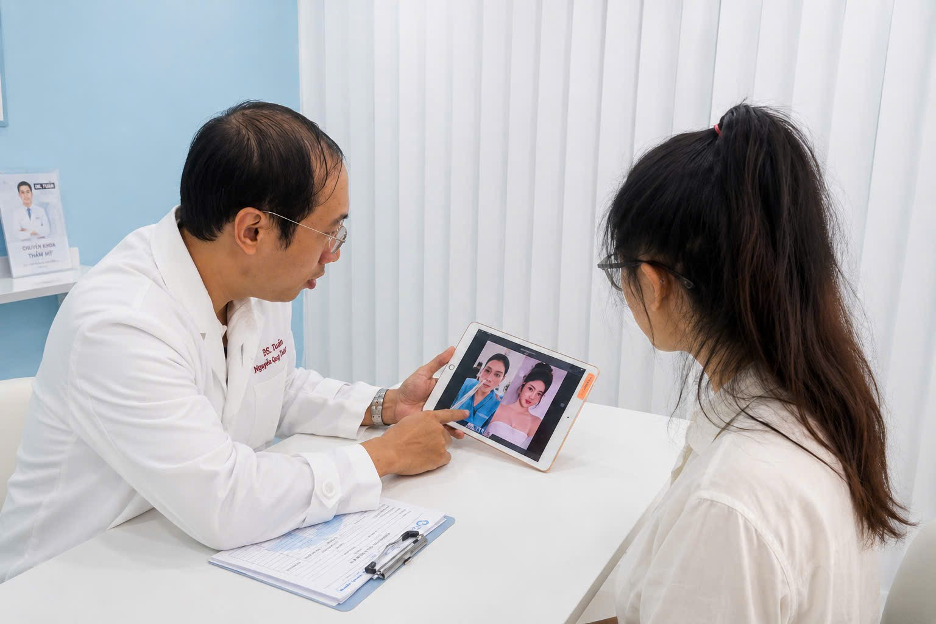
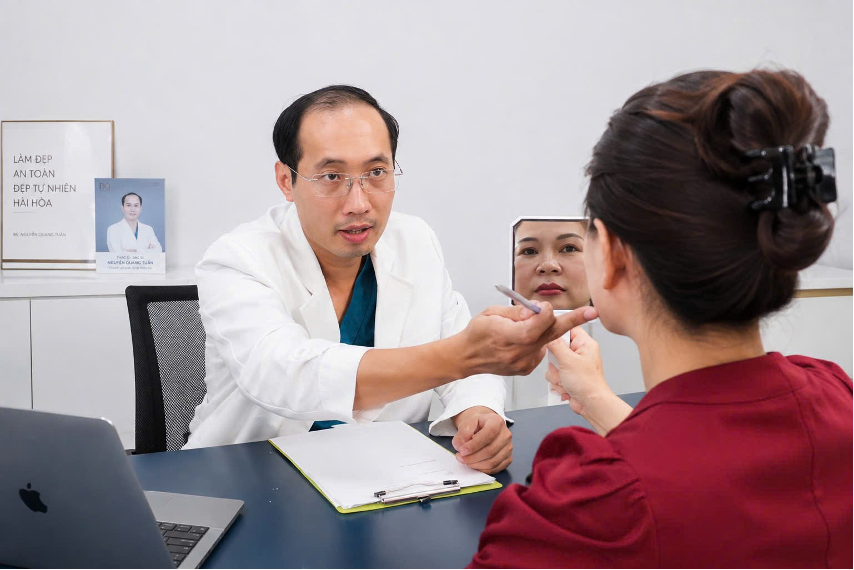
Every facelift procedure begins with a comprehensive face-to-face consultation. During this evaluation, the surgeon carefully assesses the quality of the skin, the degree of soft tissue descent, the definition of the jawline, the contour of the neck, and the overall balance and harmony of the face. In addition, the patient’s medical history, current medications, previous surgical procedures, and personal expectations are discussed in detail.
After completing the evaluation, the surgeon explains the recommended treatment plan, including the most appropriate surgical technique, incision placement, anticipated improvements, expected recovery timeline, and the limitations associated with each procedure. Developing an individualized treatment plan ensures that each patient receives the technique best suited to their unique anatomy and clinical condition, rather than following a one-size-fits-all approach or current surgical trends.
Surgical Procedure
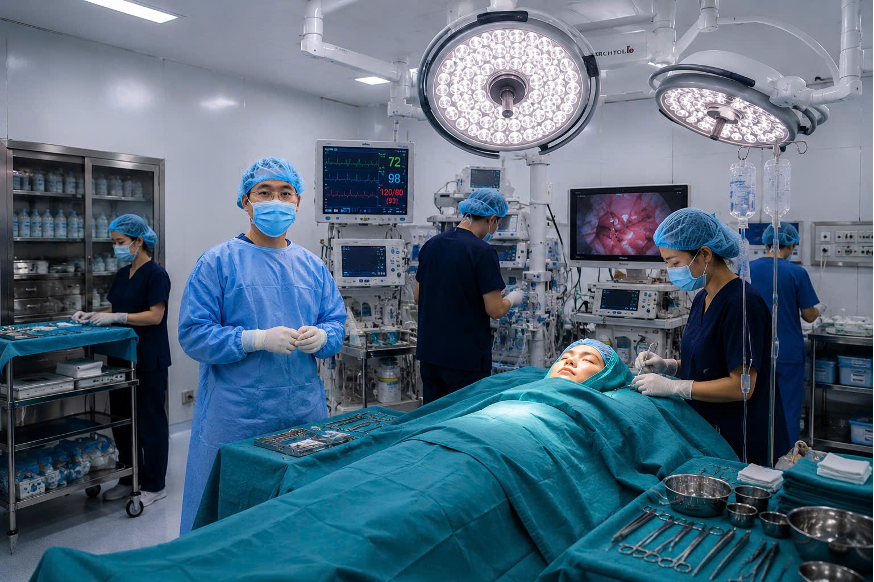
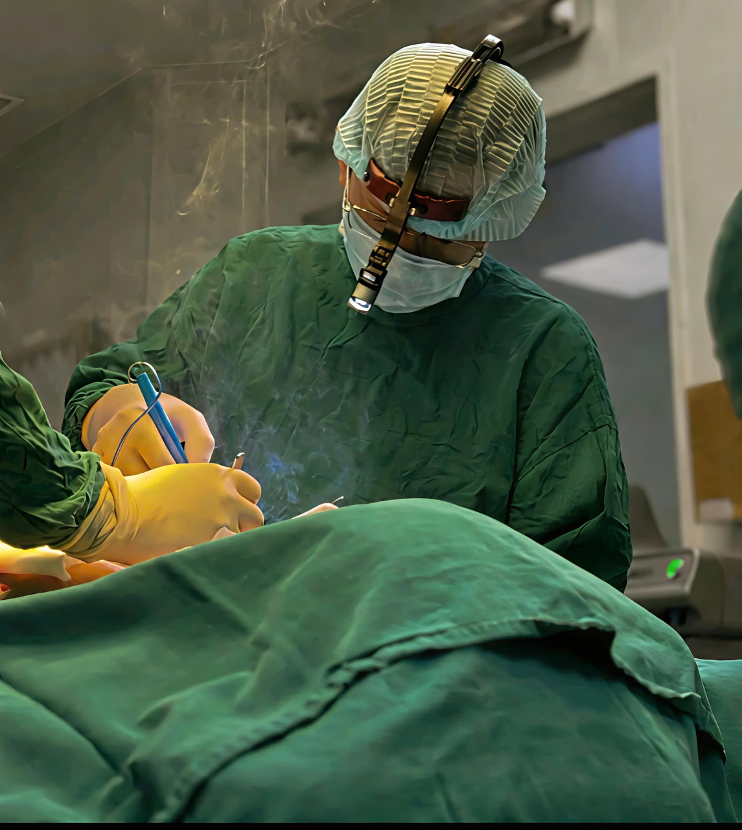
Facelift surgery is performed in a hospital operating room that meets established surgical standards and is carried out by a multidisciplinary team, including the plastic surgeon, anesthesiologist, and experienced operating room staff.
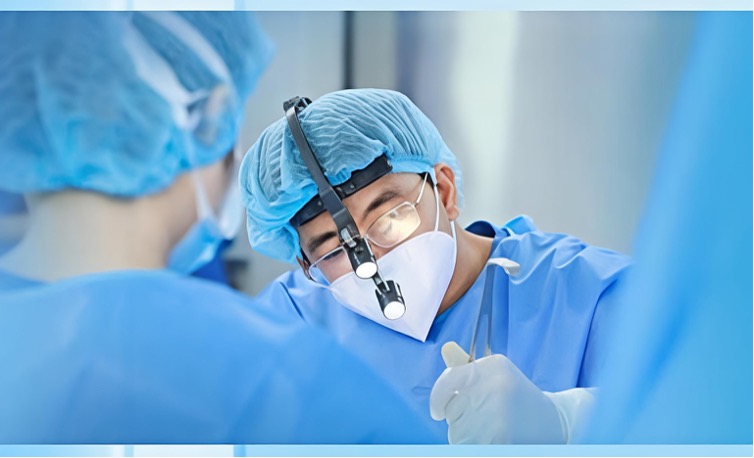
After anesthesia has been administered, the surgeon begins by making carefully planned incisions according to the individualized surgical plan. The deeper facial tissues are then meticulously released and repositioned to restore the soft tissue structures that have descended over time. Once the deeper anatomical layers have been restored to a more youthful position, the appropriate amount of excess skin is conservatively removed without placing excessive tension on the skin itself.
Finally, the incisions are closed with meticulous attention to detail in order to promote optimal wound healing and minimize visible scarring.
In selected patients, facelift surgery may be combined with autologous fat grafting, rhinoplasty, or eyelid surgery (blepharoplasty) to achieve more comprehensive facial rejuvenation. The decision to combine multiple procedures should always be based on the patient’s overall health, surgical safety, and the anticipated operative time.
Factors That Influence Surgical Results
The final outcome of a facelift depends not only on the surgical technique itself but also on several patient-related factors, including skin quality, the severity of facial aging, individual healing capacity, postoperative care, and long-term lifestyle habits.
Maintaining a stable body weight, avoiding smoking, protecting the skin from excessive sun exposure, and attending all scheduled follow-up appointments can significantly contribute to preserving long-term surgical results.
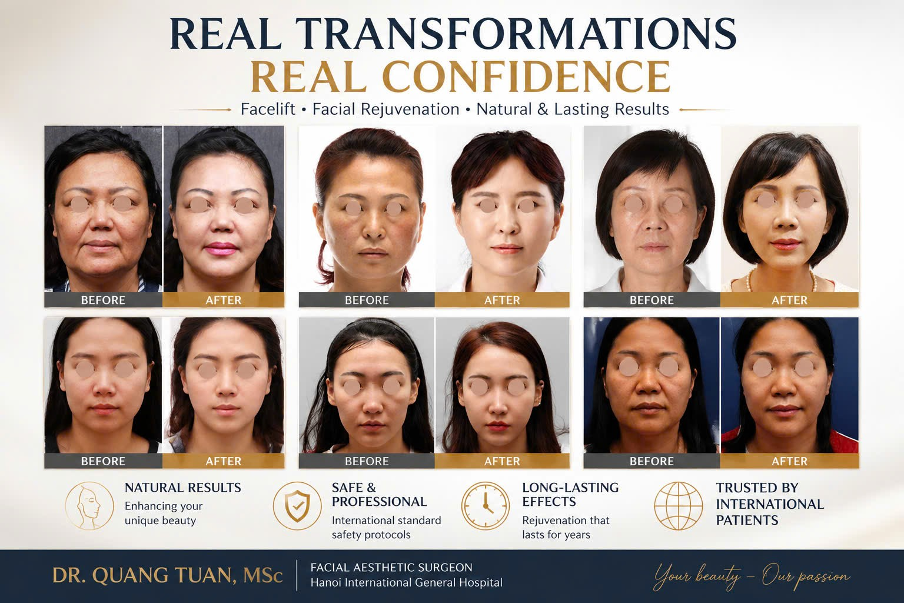
The goal of a successful facelift is not to completely change a person’s appearance, but rather to help patients look naturally younger while preserving their own unique facial identity. The best results are those that allow others to notice a refreshed and rejuvenated appearance without immediately recognizing that surgery has been performed.
III. Recovery, Results, and Important Considerations
Recovery After Facelift Surgery
One of the questions most frequently asked by patients considering facelift surgery is how long the recovery period will last.
In reality, recovery varies from one individual to another. Factors such as age, overall health, the surgical technique used, individual healing ability, and adherence to postoperative instructions all influence the speed and quality of recovery.
The First 24 to 48 Hours
During the first 24 to 48 hours after surgery, patients are closely monitored to evaluate blood circulation in the operated area, drainage output (when surgical drains are used), the degree of swelling, and overall comfort.
Most patients experience only mild tightness or discomfort rather than significant pain. These symptoms are generally well controlled with medications prescribed by the surgeon.
The First Week
During the first postoperative week, varying degrees of swelling and bruising commonly develop in the face and neck. This is a normal physiological response to surgery and should gradually improve as healing progresses.
Patients are advised to rest adequately, sleep with the head elevated, avoid strenuous physical activity, and attend scheduled follow-up appointments so that the surgeon can carefully monitor the healing process and ensure an uneventful recovery.
Recovery from the Second Week Onward
Beginning in the second week after surgery, most swelling and bruising gradually subside. Many patients feel comfortable returning to office-based work and resuming their normal daily activities during this stage of recovery.
However, strenuous exercise, heavy lifting, and activities that may place excessive stress on the healing tissues should still be avoided. Allowing the facial tissues sufficient time to heal is essential for achieving optimal long-term results and minimizing the risk of complications.
One to Three Months After Surgery
During the following one to three months, the repositioned facial soft tissues continue to stabilize and settle into their new position. As healing progresses, the facial contours become increasingly natural, balanced, and harmonious.
Although the healing process continues for several additional months, most patients are able to appreciate a significant improvement in facial rejuvenation within this period. The face appears younger while maintaining natural expression and individual facial characteristics.
How Long Do Facelift Results Last?
A facelift can produce a noticeably younger appearance; however, it cannot stop the natural aging process. After surgery, the body continues to age according to normal biological processes, but the face begins aging again from a considerably younger starting point than before treatment.
The longevity of facelift results varies among individuals. Numerous factors—including age, skin quality, facial anatomy, lifestyle habits, skincare routines, body weight, and smoking—can all influence how long the surgical results are maintained.
An excellent facelift is designed not only to produce an immediate improvement but also to provide stable, natural-looking rejuvenation that lasts for many years. For this reason, selecting the appropriate surgical technique and ensuring proper patient selection from the outset are among the most important factors contributing to long-term success.
Factors That Help Maintain Long-Term Results
In addition to surgical technique, postoperative care plays an equally important role in preserving facelift results.
Several measures can help prolong the longevity of surgical outcomes, including:
- Protecting the skin from ultraviolet (UV) radiation by using sunscreen and appropriate sun-protective measures.
- Maintaining a stable body weight and avoiding rapid weight gain or weight loss.
- Avoiding smoking and all nicotine-containing products.
- Following a balanced diet, obtaining adequate rest, and maintaining appropriate physical activity.
- Adhering to a consistent skincare routine recommended by the surgeon.
- Attending scheduled follow-up appointments to monitor healing and detect any potential concerns at an early stage.
A healthy lifestyle not only helps preserve facelift results for a longer period but may also slow the natural aging process and contribute to overall skin health and facial appearance.

Potential Risks and Complications
Like any surgical procedure, facelift surgery carries certain risks and potential complications. However, the majority of these risks can be significantly minimized through appropriate patient selection, comprehensive preoperative evaluation, meticulous surgical technique, and strict adherence to postoperative care instructions.
Although complications are uncommon when surgery is performed by an experienced plastic surgeon in an accredited medical facility, patients should understand that every surgical procedure carries inherent risks and that no operation can be considered entirely risk-free.
Potential complications associated with facelift surgery include:
- Postoperative hematoma, which refers to bleeding beneath the skin that may require prompt treatment.
- Infection, although this is relatively uncommon when proper sterile technique and postoperative care are followed.
- Delayed wound healing, particularly in patients with certain medical conditions or those who smoke.
- Abnormal scar formation, including hypertrophic or widened scars in susceptible individuals.
- Temporary numbness or altered sensation involving the face or ears, which usually improves gradually as the nerves recover.
- Facial nerve injury, which is rare but may result in temporary or, in exceptional cases, permanent weakness of certain facial muscles.
- Facial asymmetry or the need for a secondary revision procedure in selected cases if further refinement is required.
Choosing a plastic surgeon with specialized training, undergoing surgery in a hospital that meets appropriate medical standards, and carefully following all postoperative instructions are among the most important measures for minimizing these potential complications.
Frequently Asked Questions
Is Facelift Surgery Painful?
During the procedure, patients receive either general anesthesia or another appropriate anesthetic technique based on the recommendation of the anesthesiologist. As a result, they do not experience pain during surgery.
After the operation, most patients report only a feeling of tightness, mild discomfort, or pressure rather than severe pain. These postoperative symptoms are generally well controlled with medications prescribed by the surgeon and typically improve as healing progresses.
When Can I Return to Work?
Many patients are able to return to office-based work approximately 10 to 14 days after surgery. The exact timing depends on the individual’s rate of recovery, the extent of the procedure performed, and the physical demands of their occupation. Patients with physically demanding jobs may require a longer recovery period before returning to work.
How Long Does Swelling Last?
Most postoperative swelling improves substantially during the first several weeks following surgery. As healing continues, facial contours become progressively more refined and natural.
Although significant improvement is usually visible within the first month, the final surgical outcome continues to mature over approximately one to three months, with subtle tissue remodeling continuing even beyond this period.
Will a Facelift Make My Face Look Stiff or Unnatural?
One of the most common concerns among patients considering facelift surgery is whether the procedure will make their face appear stiff, tight, or unnatural.
The primary goal of modern facelift techniques is to restore a younger appearance while facelift procedures focus on repositioning the deeper supporting structures of the face. This approach reduces tension on the skin and produces a softer, more natural result.
When the appropriate surgical technique is selected and performed according to the patient’s anatomy, facial movement and emotional expression are preserved. The goal is for patients to look refreshed and younger—not as though they have undergone obvious cosmetic surgery.
Can a Facelift Be Combined with Other Procedures?
Yes. In appropriately selected patients, facelift surgery may be combined with additional facial rejuvenation procedures to achieve more balanced and comprehensive aesthetic improvement.
These procedures may include:
- Autologous fat grafting to restore facial volume.
- Upper or lower blepharoplasty (eyelid surgery) to rejuvenate the eye area.
- Rhinoplasty to improve overall facial harmony.
The decision to combine procedures is based on each patient’s facial anatomy, aesthetic goals, overall health, and surgical safety. Following a comprehensive consultation, the surgeon will recommend the treatment plan that is most appropriate for the individual rather than performing unnecessary procedures.
Consultation
Every face has its own unique anatomy, degree of aging, and aesthetic goals. For this reason, there is no single facelift technique that is appropriate for every patient.
If you are considering facial rejuvenation surgery, a personal consultation with a qualified plastic surgeon is the most effective way to accurately assess your current condition, determine the most suitable treatment approach, and develop an individualized surgical plan tailored specifically to your needs.
A comprehensive evaluation allows the surgeon to analyze your facial anatomy, identify the underlying causes of aging, discuss realistic expectations, and recommend the procedure that will provide the most natural and long-lasting outcome. Treatment recommendations should always be individualized rather than based on age alone or current aesthetic trends.
About Dr. Nguyen Quang Tuan
Nguyen Quang Tuan, MD, MSc is a plastic and reconstructive surgeon specializing in facial rejuvenation surgery, rhinoplasty, breast surgery, body contouring, and autologous fat grafting.
His surgical philosophy is built upon four core principles:
- Safety
- Natural-Looking Results
- Personalized Treatment
- Long-Term Outcomes
Dr. Nguyen Quang Tuan believes that the ultimate goal of facial rejuvenation is not to create a different appearance, but to restore a younger, healthier, and more refreshed version of each patient’s natural face while preserving their unique identity and facial expression. Every treatment plan is individually designed to achieve harmonious, balanced, and durable results.
Learn more about Dr. Nguyen Quang Tuan -> HERE