

I- Understanding Rhinoplasty and When to Consider Surgery
What Is Rhinoplasty?
The nose is one of the most prominent features of the face, playing a central role in facial balance and harmony. Even subtle changes in the height of the nasal bridge, the projection of the nasal tip, or the angle between the nose and upper lip can significantly influence the overall appearance of the face.
Rhinoplasty is a surgical procedure designed to reshape and reconstruct the nose for either aesthetic or functional purposes. It may be performed to enhance facial harmony, correct congenital deformities, repair injuries, improve breathing, or revise the results of previous nasal surgery.
Modern rhinoplasty is no longer limited to simply placing an implant to increase the height of the nasal bridge. Contemporary techniques focus on rebuilding the nasal framework, strengthening structural support, and creating a nose that complements the patient’s unique facial features while preserving long-term stability and normal nasal function.
The goal of successful rhinoplasty is not to create a standardized or fashionable nose, but to design a nose that suits the individual’s facial proportions, gender, ethnicity, and anatomical characteristics.

The Role of the Nose in Facial Harmony
In facial aesthetics, the nose serves as the central axis connecting the forehead, eyes, lips, and chin. A well-balanced nose is not necessarily the tallest or narrowest one; instead, it should be proportionate to the overall facial structure.
Among Asian patients, common anatomical characteristics include a low nasal bridge, limited tip projection, a shorter nasal framework, thicker skin over the nasal tip, and a wider nasal base. Therefore, rhinoplasty often involves more than simply increasing bridge height. It frequently requires refinement of the nasal tip, strengthening of the columella, and reconstruction of the underlying support structures to achieve natural and harmonious results.
A carefully planned rhinoplasty can enhance facial definition, improve overall balance, and create a more refined appearance without compromising the patient’s natural identity.
Conversely, an overly high bridge or an excessively narrow nose may appear unnatural if it does not match the individual’s facial proportions.
When Should You Consider Rhinoplasty?
Not everyone requires or is suitable for rhinoplasty. The decision should always be based on a comprehensive consultation, careful anatomical assessment, and realistic expectations regarding the surgical outcome.
Rhinoplasty may be considered in patients with:
- A low or under-projected nasal bridge.
- A short, rounded, or upturned nasal tip.
- Weak structural support of the nasal tip.
- A wide nasal base or asymmetrical nostrils.
- Nasal deformity following trauma.
- Contracted or distorted noses after previous rhinoplasty.
- A desire to improve facial harmony while maintaining a natural appearance.
Candidates should also be in good general health and have realistic expectations regarding both the benefits and the limitations of surgery.
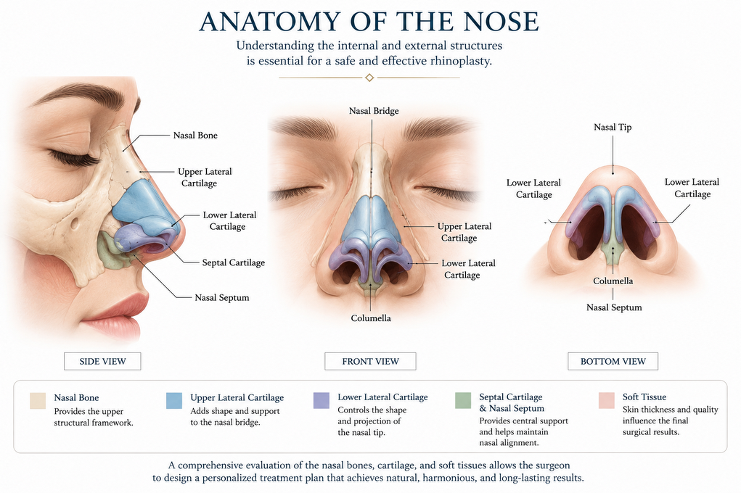
Common Characteristics of the Asian Nose
Every ethnic group has its own distinctive nasal anatomy, and surgical planning should always be individualized rather than based on a universal standard.
Common anatomical characteristics of the Asian nose include:
- A relatively low nasal bridge.
- Short nasal bones.
- Limited nasal tip projection.
- Small and relatively weak lower lateral cartilages.
- Thick soft tissue over the nasal tip.
- A wider nasal base compared with many Caucasian patients.
Because of these characteristics, Asian rhinoplasty often requires structural reinforcement rather than simple augmentation. In many cases, improving tip support, strengthening the nasal framework, and creating balanced proportions are equally important as increasing bridge height.
Modern rhinoplasty emphasizes harmony rather than exaggeration. The objective is to achieve a nose that enhances facial balance while maintaining an appearance that looks natural and appropriate for each individual.
Consultation and Preoperative Planning
Successful rhinoplasty begins long before the operation itself. A comprehensive consultation allows the surgeon to evaluate the patient’s nasal anatomy, skin thickness, cartilage strength, nasal septum, facial proportions, and airway function.
Equally important is understanding the patient’s expectations. During the consultation, the surgeon explains the achievable improvements, discusses the limitations imposed by individual anatomy, and recommends the most appropriate surgical plan based on the patient’s unique characteristics.
For patients seeking revision rhinoplasty, additional evaluation is required to determine the condition of previous implants, scar tissue, remaining cartilage, and overall structural integrity. This information is essential for selecting the safest and most effective reconstructive approach.

II. Rhinoplasty Techniques and Surgical Procedure
Modern Rhinoplasty Techniques
Advances in plastic surgery have led to the development of various rhinoplasty techniques, each with its own indications, advantages, and limitations. There is no single technique that is appropriate for every patient.
The most important aspect of rhinoplasty is not choosing the newest or most expensive procedure, but selecting the technique that best matches the patient’s nasal anatomy, skin characteristics, aesthetic goals, and functional requirements.
During the consultation, the surgeon carefully evaluates the height of the nasal bridge, tip projection, skin thickness, cartilage strength, septal support, and other anatomical factors before developing an individualized treatment plan.
Modern rhinoplasty aims to create a structurally stable nose with natural contours and long-term durability rather than simply increasing the height of the nasal bridge.
Structural Rhinoplasty
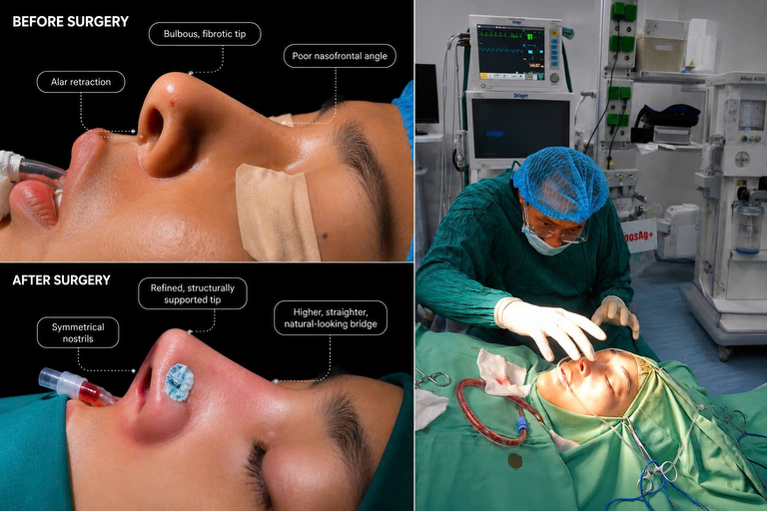
Structural rhinoplasty is a comprehensive technique that reconstructs and reinforces the internal framework of the nose rather than simply augmenting the nasal bridge. It is commonly recommended for patients with a low nasal bridge, short nose, upturned tip, nasal asymmetry, or those seeking revision rhinoplasty after previous surgery.
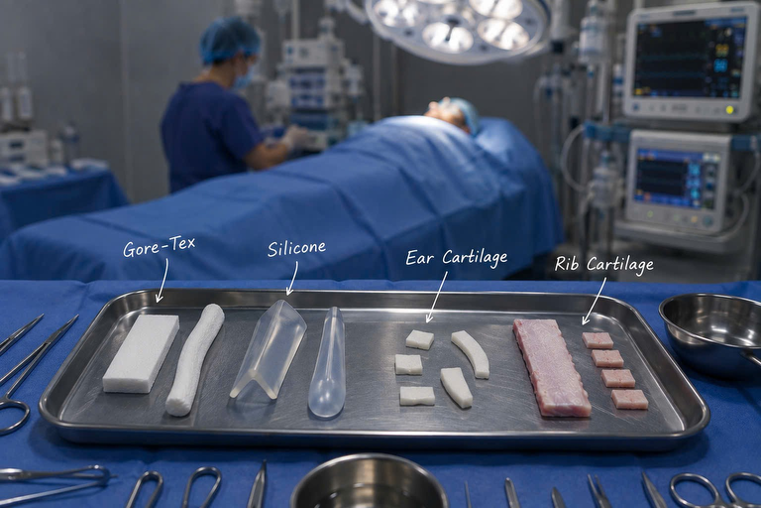
During the procedure, the surgeon reconstructs the supporting framework using appropriate implant materials together with autologous cartilage when indicated. The nasal tip is strengthened, the columella may be reinforced or lengthened, and the overall structural support of the nose is restored.
One of the greatest advantages of structural rhinoplasty is its individualized approach. Instead of creating the same nose for every patient, the procedure is carefully designed according to each person’s facial proportions, gender, ethnicity, and unique anatomical characteristics.
Gore-Tex and Silicone: Choosing the Right Implant Material
One of the most frequently asked questions is whether Gore-Tex or silicone is the better choice.
In reality, each material has its own characteristics, advantages, and limitations. There is no universally superior implant material, and the best choice depends on the patient’s individual anatomy and surgical goals.
Medical-grade silicone has been widely used for many years because it maintains its shape well, is easy to sculpt, and provides reliable structural support.
Gore-Tex, on the other hand, has a microporous structure that is softer and more flexible. In appropriately selected patients, it adapts well to the surrounding tissues and provides a smooth, natural transition along the nasal bridge.
The choice of implant should never be based solely on trends or online opinions. Instead, it should be determined through a comprehensive assessment of skin thickness, soft tissue quality, nasal anatomy, and the overall surgical plan.
In many cases, implant materials are combined with autologous cartilage to provide additional support for the nasal tip while creating a more natural transition between the bridge and tip.
The Role of Autologous Cartilage
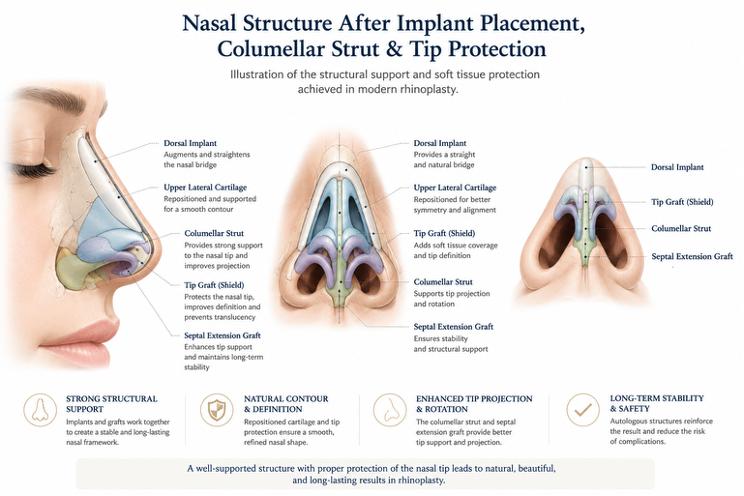
Autologous cartilage plays an important role in modern rhinoplasty, particularly in strengthening the nasal tip and reducing pressure on the overlying skin.
Depending on the patient’s condition, cartilage may be harvested from the ear, nasal septum, or rib. Each source has specific advantages, and the choice depends on the surgical objectives as well as the patient’s anatomy.
For revision rhinoplasty or patients with significant structural deficiencies, autologous cartilage often provides additional stability and serves as a valuable material for reconstructing the nasal framework.
The Surgical Procedure
Once the consultation and treatment plan have been completed, patients undergo the necessary preoperative medical evaluation according to hospital protocols.
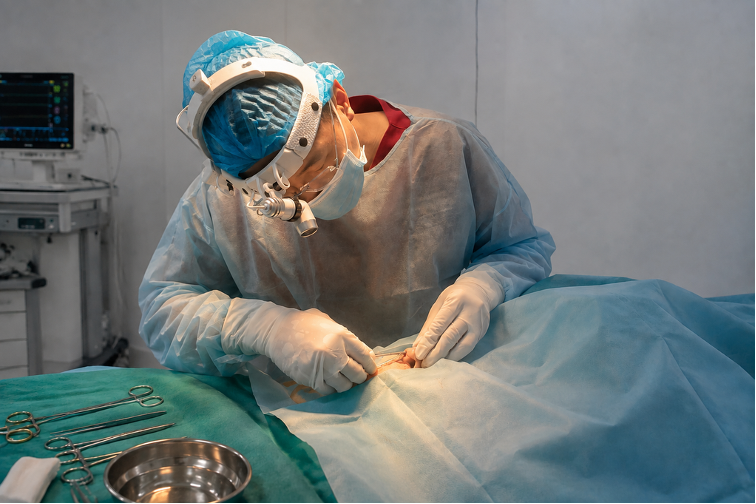
The procedure is performed in a sterile operating room with the support of an anesthesiologist and a dedicated surgical team. After appropriate anesthesia is administered, the surgeon carefully exposes the nasal structures, corrects the anatomical problems identified during planning, positions implants or cartilage grafts as required, and evaluates symmetry before closing the incision.
Although surgical technique is essential, careful attention to anatomical detail and respect for the natural nasal structures are equally important in achieving stable, harmonious, and natural-looking results.
Choosing the Most Appropriate Technique
There is no universal definition of the “perfect nose.” A nasal shape that complements one person’s facial features may not be suitable for someone else.
In clinical practice, selecting the appropriate rhinoplasty technique requires careful consideration of multiple factors, including the patient’s anatomy, skin quality, previous surgical history, aesthetic expectations, and the likelihood of achieving a safe, long-lasting result.
An individualized treatment plan minimizes unnecessary procedures while creating a nose that enhances overall facial harmony rather than following temporary aesthetic trends.
III- Recovery, Long-Term Results, and Important Considerations
Recovery After Rhinoplasty
Recovery is one of the most common concerns for patients considering rhinoplasty. Although every individual heals differently, the recovery process generally depends on the surgical technique, the extent of the procedure, the patient’s overall health, and adherence to postoperative instructions.
During the first 24 to 48 hours after surgery, patients may experience mild swelling, nasal congestion, and a sensation of tightness around the nose and eyes. Bruising of varying degrees is also common, particularly after structural rhinoplasty or more extensive procedures. These changes are a normal part of the healing process and gradually improve over the following days.
Approximately one week after surgery, the nasal splint and sutures are typically removed or evaluated during the first follow-up appointment. Most patients are able to return to office-based work and light daily activities within 7 to 10 days, depending on their individual recovery.
Over the following one to three months, swelling continues to decrease, allowing the nasal contour to become more refined and natural. However, complete soft tissue maturation may continue for several additional months, particularly in patients undergoing structural or revision rhinoplasty.
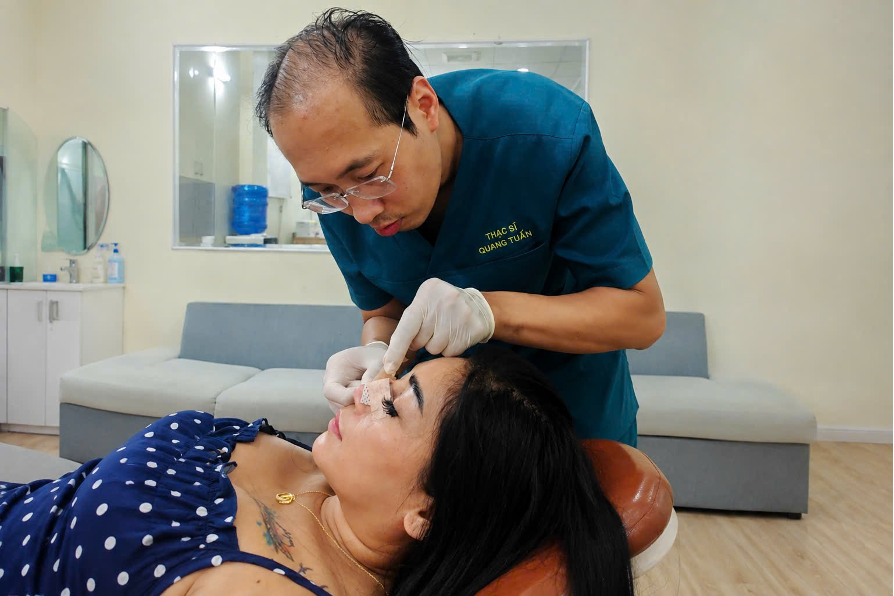
Regular follow-up appointments allow the surgeon to monitor healing, evaluate the stability of the reconstructed nasal framework, and provide appropriate postoperative guidance throughout each stage of recovery.
How Long Do Rhinoplasty Results Last?
A successful rhinoplasty is designed to achieve not only immediate aesthetic improvement but also long-term structural stability. Nevertheless, the longevity of the result varies among individuals.
Long-term outcomes are influenced by several factors, including the patient’s original nasal anatomy, surgical technique, implant or graft materials, skin quality, healing characteristics, and postoperative care.
Modern structural rhinoplasty focuses on rebuilding and reinforcing the internal nasal framework rather than simply increasing bridge height. By establishing a stable structural foundation, the procedure aims to provide durable support for the nasal tip and maintain facial harmony over time.
Like all tissues in the body, the nose continues to age naturally. Although rhinoplasty does not stop the aging process, proper surgical planning and healthy lifestyle habits can help preserve the results for many years.
Postoperative Care
Proper postoperative care plays an essential role in achieving a successful surgical outcome. Following the surgeon’s instructions carefully helps promote healing while reducing the risk of complications.
Patients are generally advised to:
- Take all prescribed medications as directed.
- Keep the surgical area clean and dry.
- Avoid pressure or trauma to the nose during the early healing period.
- Refrain from wearing glasses directly on the nasal bridge until approved by the surgeon.
- Avoid strenuous exercise and contact sports during recovery.
- Stop smoking and limit alcohol consumption.
- Attend all scheduled follow-up appointments.
Consistent postoperative care not only supports a smoother recovery but also contributes to maintaining long-term aesthetic results.
Potential Risks and Complications
Like any surgical procedure, rhinoplasty carries certain risks. Fortunately, careful patient selection, meticulous surgical technique, and proper postoperative care significantly reduce the likelihood of complications.
Potential complications may include:
- Bleeding or hematoma.
- Infection.
- Delayed wound healing.
- Persistent swelling.
- Nasal asymmetry or deviation.
- Implant exposure.
- Nasal tip contracture.
- The need for revision surgery in selected cases.
Choosing an experienced surgeon, undergoing surgery in an appropriately equipped medical facility, and following postoperative instructions carefully are important factors in minimizing these risks.
Frequently Asked Questions
Is rhinoplasty painful?
Patients typically undergo either general anesthesia or appropriate local anesthesia during surgery, so they do not experience pain during the procedure. Mild discomfort or a feeling of tightness after surgery is common and is usually well controlled with prescribed medication.
When can I return to work?
Most patients are able to resume office-based work within 7 to 10 days, depending on the extent of surgery and individual recovery.
When will my nose look natural?
The appearance of the nose continues to improve gradually as swelling subsides. Significant improvement is usually seen within the first month, while the final result continues to refine over the following months.
Will rhinoplasty leave visible scars?
Modern rhinoplasty techniques place incisions in discreet locations where scars are generally minimal and become less noticeable over time. Individual healing characteristics also influence scar appearance.
Can a previous rhinoplasty be corrected?
Yes. Revision rhinoplasty is possible for patients who are dissatisfied with previous results or who experience structural or functional issues. Because revision cases are often more complex, thorough evaluation and individualized surgical planning are especially important.
Schedule a Consultation
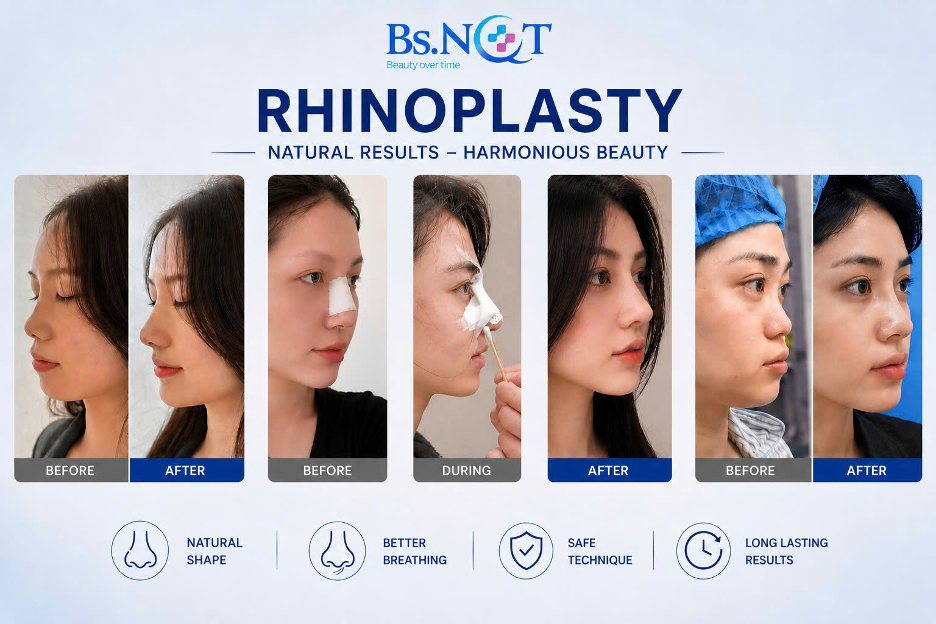
Every nose has unique anatomical characteristics, and no single surgical technique is appropriate for every patient.
A comprehensive consultation allows the surgeon to evaluate your nasal anatomy, understand your aesthetic goals, and develop a personalized treatment plan tailored to your individual needs.
Dr. Nguyen Quang Tuan follows the principles of safety, anatomical preservation, individualized treatment, and long-term stability, with the goal of creating a natural-looking nose that enhances overall facial harmony rather than drawing unnecessary attention to itself.