

A- Causes, Assessment and Principles of Treatment
I — Understanding Breast Revision Surgery
Breast augmentation and breast lift procedures can provide long-lasting improvements in breast shape, volume, and proportion. However, breast tissues continue to change over time, and implants may also be affected by changes in the implant pocket, surrounding scar tissue, gravity, pregnancy, weight fluctuation, or previous surgical techniques.
For some patients, these changes may result in breast asymmetry, implant displacement, recurrent sagging, capsular contracture, visible implant edges, unsatisfactory scars, or changes in breast shape.
Breast revision surgery is therefore not simply a procedure to replace an implant. It requires a detailed assessment of the breast tissue, skin envelope, implant position, implant pocket, scar capsule, nipple–areola position, and the patient’s previous surgical history.
1. Why Can Breast Appearance Change After Previous Surgery?
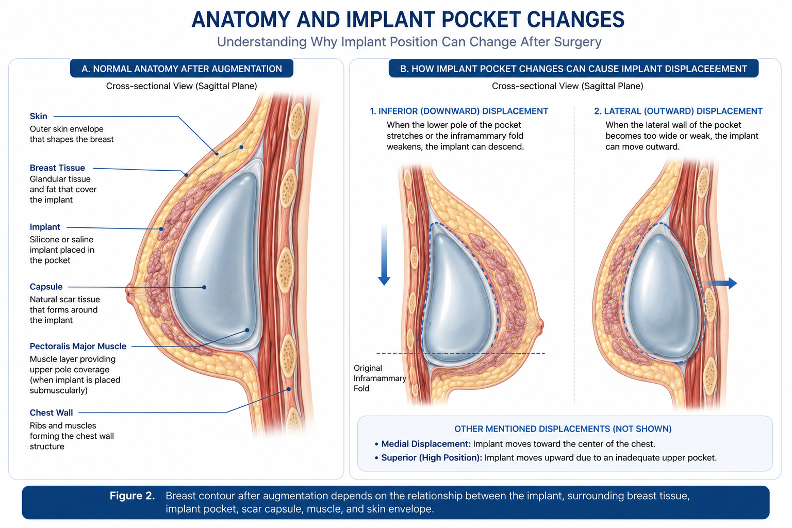
The result of breast surgery is influenced not only by the implant itself but also by the surrounding biological tissues.
The breast skin, glandular tissue, supporting structures, pectoralis major muscle, implant pocket, and scar capsule all contribute to the final breast contour. These structures may change gradually after surgery.
Pregnancy, breastfeeding, aging, significant weight changes, gravity, tissue elasticity, and the size or weight of an implant may influence breast shape over time.
In other cases, the problem may be related to the implant pocket. If the pocket becomes too wide, too low, or otherwise unstable, the implant may shift away from its intended position.
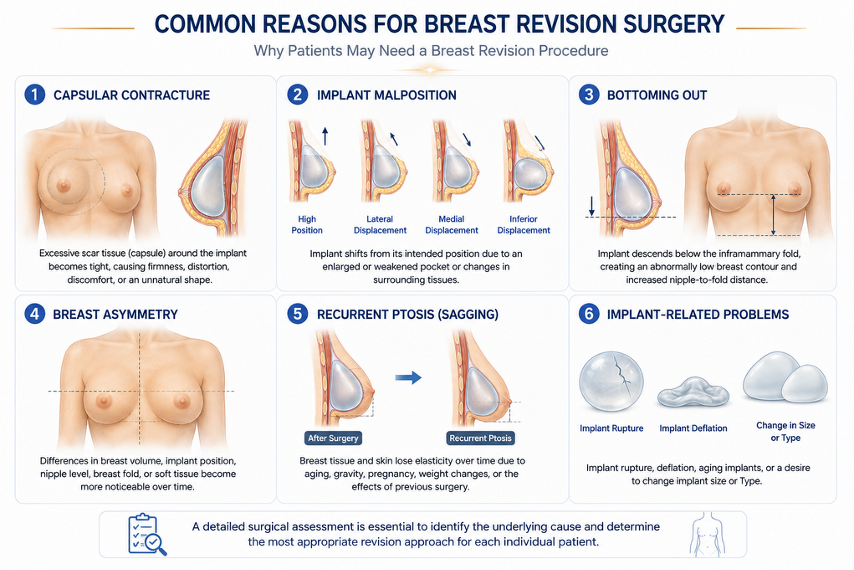
2. Common Reasons for Breast Revision Surgery
There is no single type of breast revision surgery. The appropriate procedure depends on the underlying problem.
Common conditions include:
Capsular contracture — excessive tightening of the scar capsule surrounding the implant may make the breast feel firm and, in more significant cases, alter its shape or implant position.
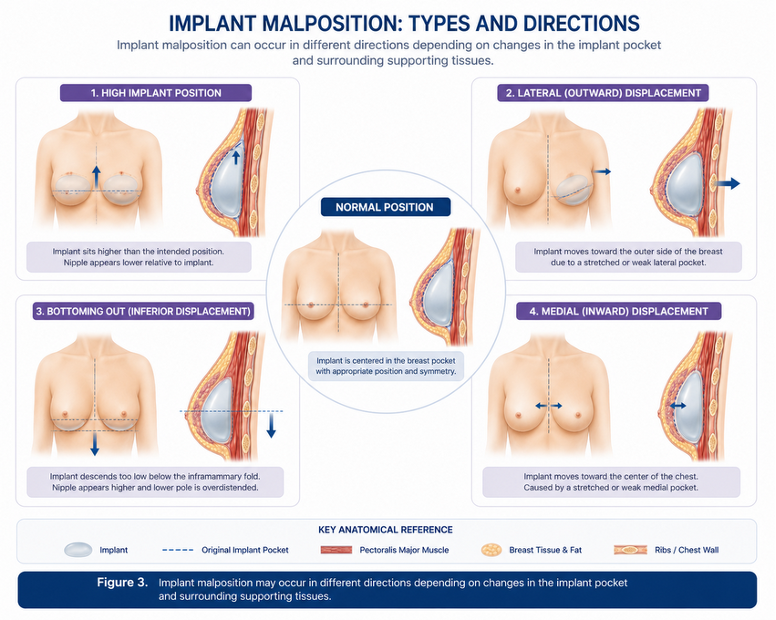
Implant malposition — the implant may move downward, upward, inward, or outward from the intended position.
Bottoming out — the implant descends too far below the desired inframammary fold, resulting in an abnormally low breast contour and altered nipple-to-fold relationship.
Breast asymmetry — differences in breast volume, implant position, nipple position, breast fold, or soft tissue may become more noticeable after surgery.
Recurrent breast ptosis — breast tissue and skin may gradually descend again after a previous augmentation or breast lift.
Implant-related problems — implant rupture, deflation, aging implants, or a desire to change implant size or type may also lead patients to consider revision surgery.
3. Assessment Before Revision Surgery
Revision breast surgery generally requires more detailed planning than primary breast augmentation because the anatomy has already been altered by previous surgery.
The surgeon should assess:
- Previous surgical procedures and incisions
- Current implant type and size, when known
- Implant position
- Breast and chest-wall asymmetry
- Thickness and quality of breast tissue
- Skin elasticity and excess skin
- Position of the nipple–areola complex
- Inframammary fold position
- Condition of previous scars
- Signs of capsular contracture
- Whether an implant exchange, pocket correction, breast lift, or combination procedure may be required
Previous operative records and implant information can also be useful when available.

II – Common Complications and Structural Problems
4. Capsular Contracture
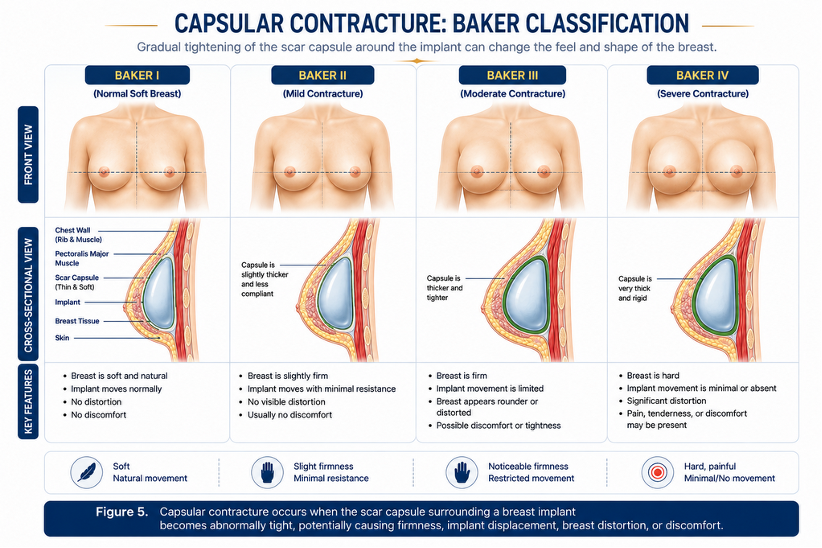
After a breast implant is placed, the body naturally forms a thin layer of scar tissue around the implant known as the capsule. In most patients, this capsule remains soft and does not significantly affect the shape of the breast.
Capsular contracture occurs when this scar tissue becomes abnormally tight around the implant. The breast may gradually feel firmer, appear more rounded or elevated, become distorted, or develop discomfort in more advanced cases.
The severity of capsular contracture is commonly described using the Baker classification, ranging from a normally soft breast to significant firmness and visible distortion.
Treatment depends on the severity, implant condition, breast anatomy, and previous surgical history. In selected cases, revision may involve removal or release of the abnormal capsule, implant exchange, and reconstruction or adjustment of the implant pocket.
5. Implant Malposition
A breast implant is positioned within a surgically created pocket. Maintaining the appropriate dimensions and stability of this pocket is important for long-term implant position.
If the pocket becomes enlarged, weakened, or inadequately supported, the implant may migrate away from its intended position.
Implant displacement may occur:
- Inferiorly — downward displacement
- Laterally — toward the side of the chest
- Superiorly — excessively high implant position
- Medially — excessive movement toward the center of the chest
The problem is therefore not always solved simply by replacing the implant. The existing pocket often needs to be evaluated and, when appropriate, surgically modified to restore implant position and breast symmetry.
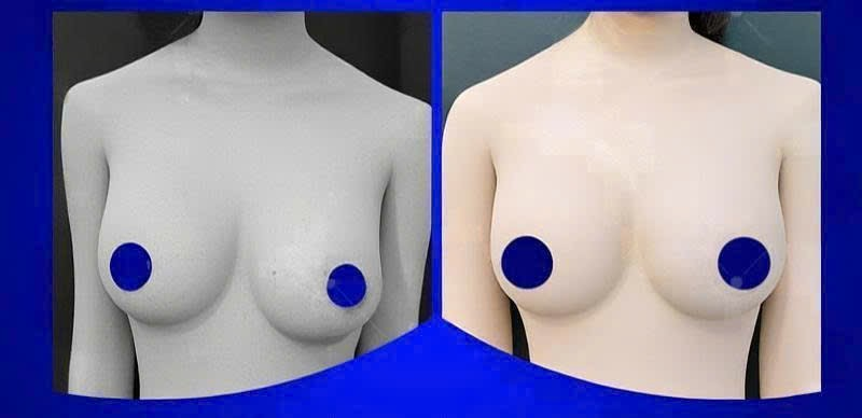
6. Bottoming Out and Changes in the Inframammary Fold
Bottoming out is a specific form of inferior implant displacement in which the implant descends below the desired position of the inframammary fold.
As the lower breast expands, the distance between the nipple and inframammary fold may become disproportionately long. The nipple can consequently appear relatively high on the breast even though its actual anatomical position has not necessarily moved upward.
Factors associated with this appearance may include tissue laxity, insufficient lower-pole support, implant characteristics, changes in the implant pocket, or the effects of previous surgery.
Revision planning may therefore require restoration of the inframammary fold, modification of the implant pocket, implant exchange in selected patients, and management of excess or stretched breast tissue when necessary.
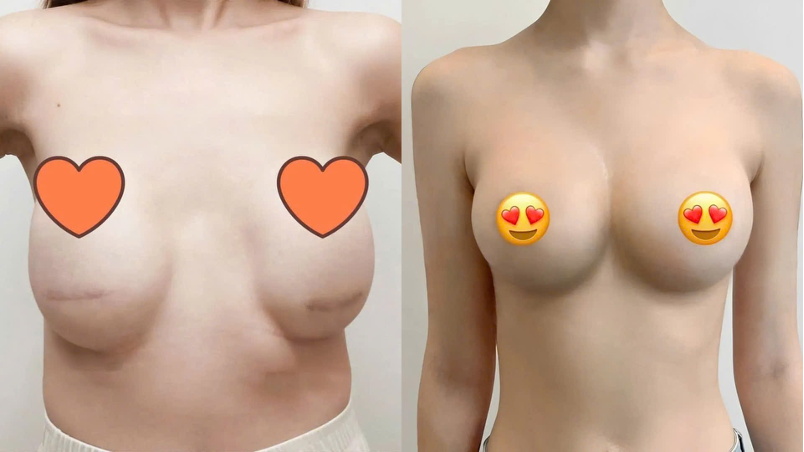
7. Recurrent Breast Ptosis
Revision patients may also present with recurrent breast ptosis following previous breast augmentation, mastopexy, or augmentation-mastopexy.
Breast tissue and skin remain subject to aging and gravity after surgery. Pregnancy, breastfeeding, weight fluctuation, tissue quality, and implant weight can further influence the breast envelope over time.
Importantly, breast ptosis and implant displacement are not the same condition.
In some patients, the implant remains in an acceptable position while the natural breast tissue descends over it. In others, both the breast tissue and implant position have changed.
This distinction is important because treatment may require a breast lift, implant pocket correction, implant exchange, or a combination of these procedures rather than implant replacement alone.
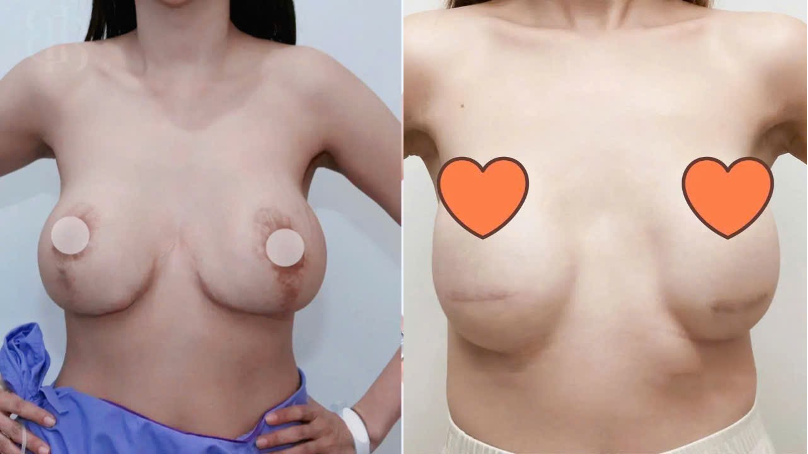
8. Breast Asymmetry After Previous Surgery
Perfect symmetry does not naturally exist between the two breasts, and some degree of pre-existing asymmetry may remain after surgery.
However, significant differences may develop or become more noticeable because of unequal implant positions, different inframammary fold levels, variations in soft-tissue thickness, capsular contracture, recurrent ptosis, or differences in nipple–areola position.
Revision surgery therefore begins by determining which anatomical component is responsible for the asymmetry rather than attempting to correct every difference by changing implant size alone.
Depending on the findings, treatment may involve different implant sizes, adjustment of one or both implant pockets, breast lifting, correction of the inframammary folds, or a combination of procedures.
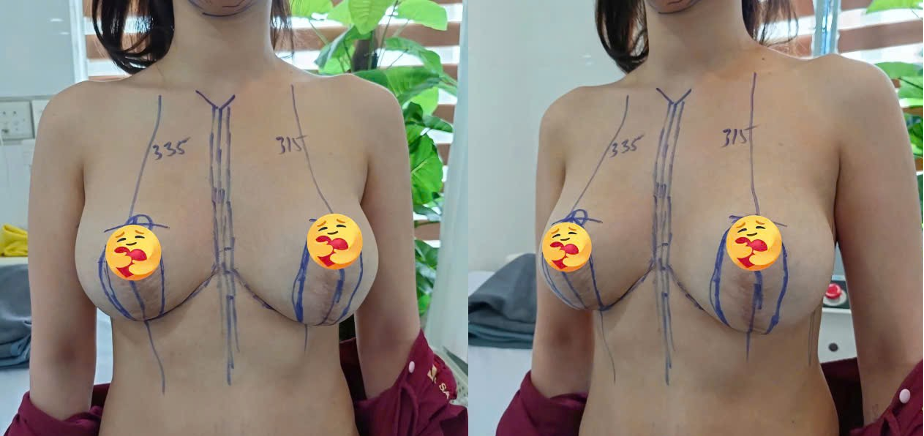
III — Surgical Strategies, Recovery and Long-Term Outcomes
9. Surgical Planning in Breast Revision
Breast revision surgery should be tailored to the anatomical problem identified during preoperative assessment. Unlike primary breast augmentation, revision surgery may involve previously altered tissue planes, scar tissue, stretched skin, changes in the inframammary fold, or an unstable implant pocket.
For this reason, revision surgery may require one or several procedures performed together rather than simply exchanging one implant for another.
Depending on the individual case, the surgical plan may include implant removal or exchange, management of the capsule, implant pocket correction, restoration of the inframammary fold, breast lift, or a combination of these techniques.
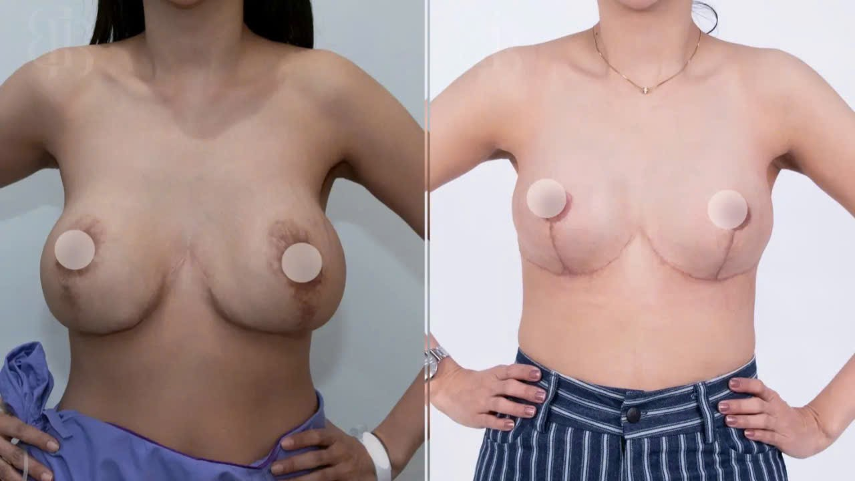
10. Implant Removal or Exchange
Some revision procedures require removal of the existing breast implant. The implant may then either be replaced or, in selected patients, not replaced depending on the patient’s anatomy and treatment goals.
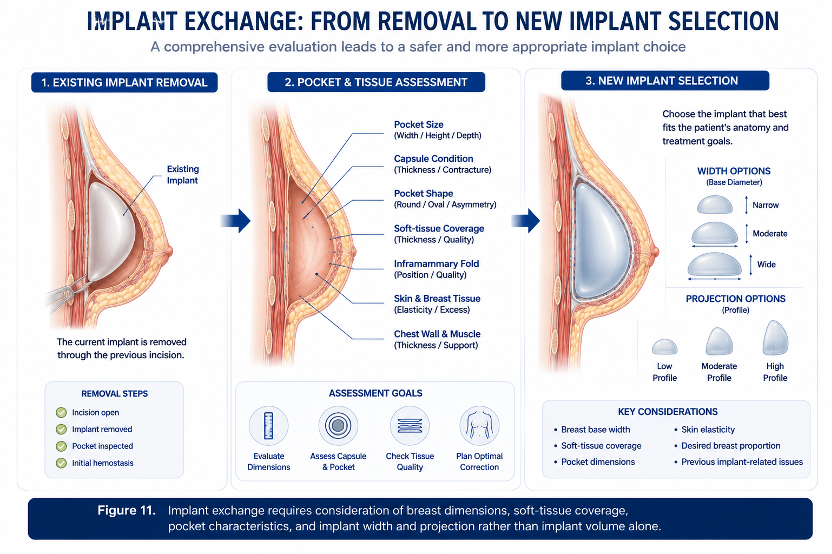
When implant exchange is planned, the choice of a new implant should consider more than volume alone.
Important factors include:
- Implant width and projection
- Breast base width
- Existing soft-tissue coverage
- Skin elasticity
- Implant pocket dimensions
- Desired breast proportions
- Previous implant-related problems
A larger implant is not necessarily the solution to recurrent sagging or implant malposition. In patients with weakened tissues, increasing implant size may place additional stress on the breast envelope.
11. Management of the Capsule
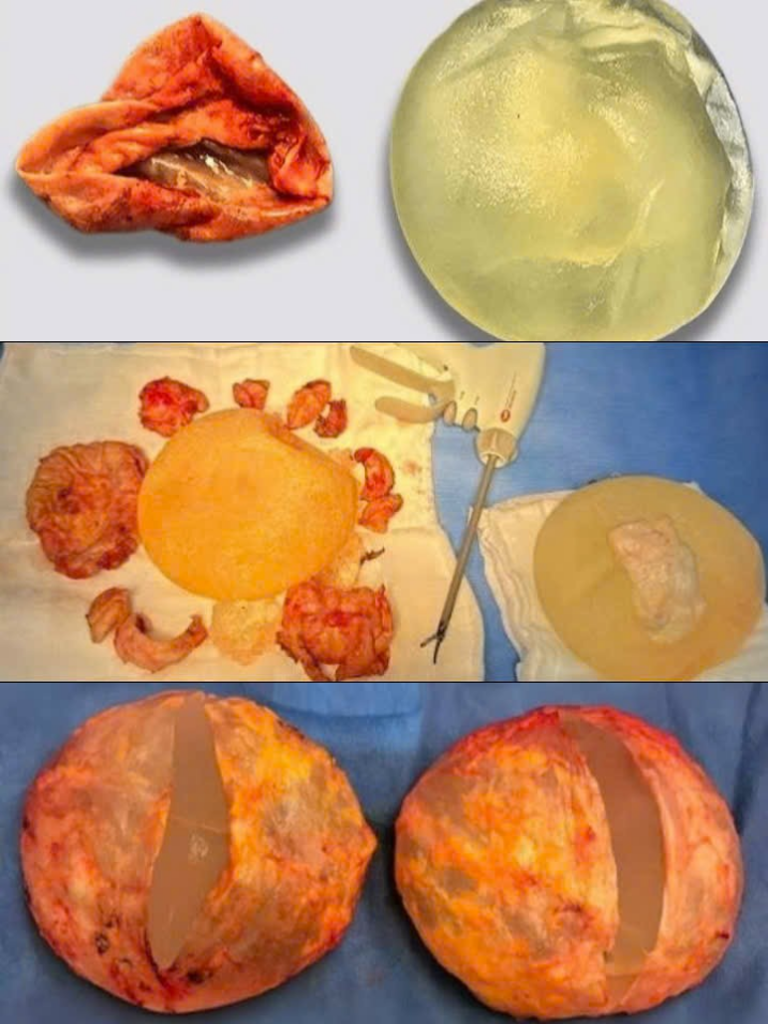
Scar capsule management is particularly important when capsular contracture or significant pocket distortion is present.
Depending on the clinical findings, the surgeon may release portions of the capsule (capsulotomy) or remove part or, when indicated, more extensive portions of the capsule (capsulectomy).
The appropriate approach depends on the condition of the capsule, implant, surrounding tissues, and the reason for revision surgery.
Capsule management should therefore be individualized rather than considered an identical step in every revision procedure.
12. Implant Pocket Reconstruction
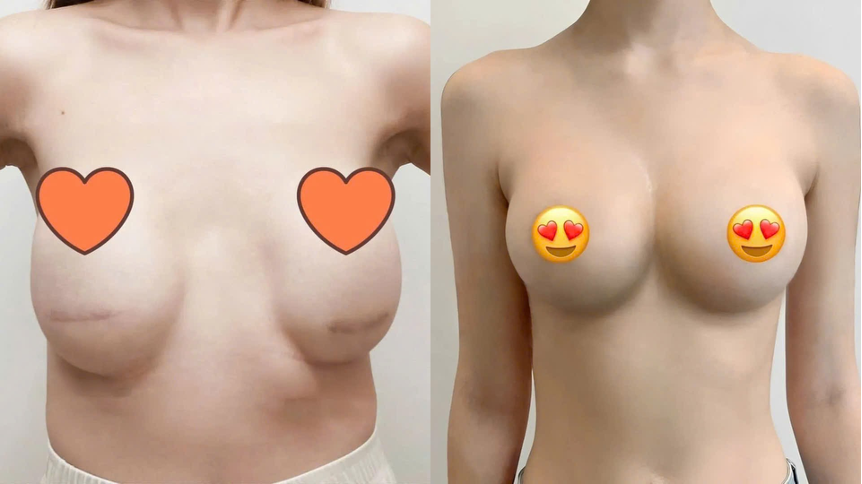
One of the most important components of revision surgery is restoring an appropriate implant pocket.
When the pocket is too wide or the implant has descended, the surgeon may reduce or reshape portions of the pocket to reposition the implant.
In cases of inferior displacement, reconstruction may also involve restoring the inframammary fold to improve lower-pole proportions and implant stability.
The objective is not simply to move the implant, but to create an anatomical environment capable of maintaining a more appropriate implant position.
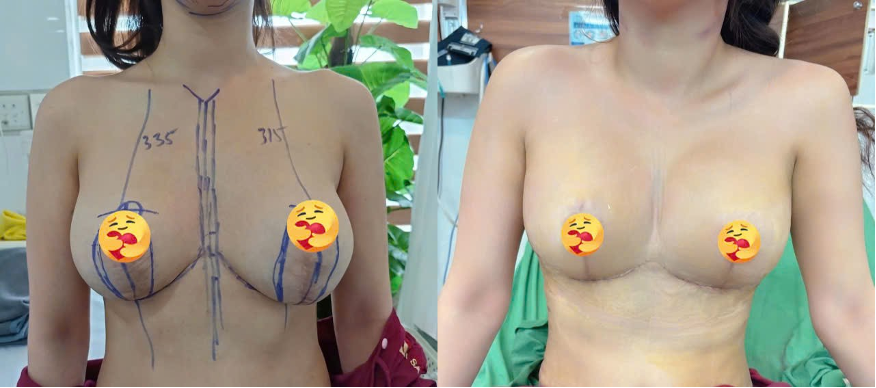
13. Combining Revision Surgery With Breast Lift
When significant skin excess or recurrent breast ptosis is present, correcting the implant pocket alone may not adequately restore breast shape.
A breast lift (mastopexy) may therefore be combined with implant revision.
During mastopexy, excess skin can be removed, breast tissue reshaped, and the nipple–areola complex repositioned when indicated. Implant size and position can simultaneously be reassessed.
This combination is particularly relevant when both the implant and the surrounding breast envelope have changed after previous surgery.
14. Revision Surgery in the Operating Room
Because revision procedures may involve implants, scar tissue, previous surgical planes, and multiple reconstructive steps, careful surgical planning and a controlled operative environment are important.
The final procedure is determined by the findings identified before and during surgery rather than by a single standardized technique for every patient.
15. Recovery After Breast Revision Surgery
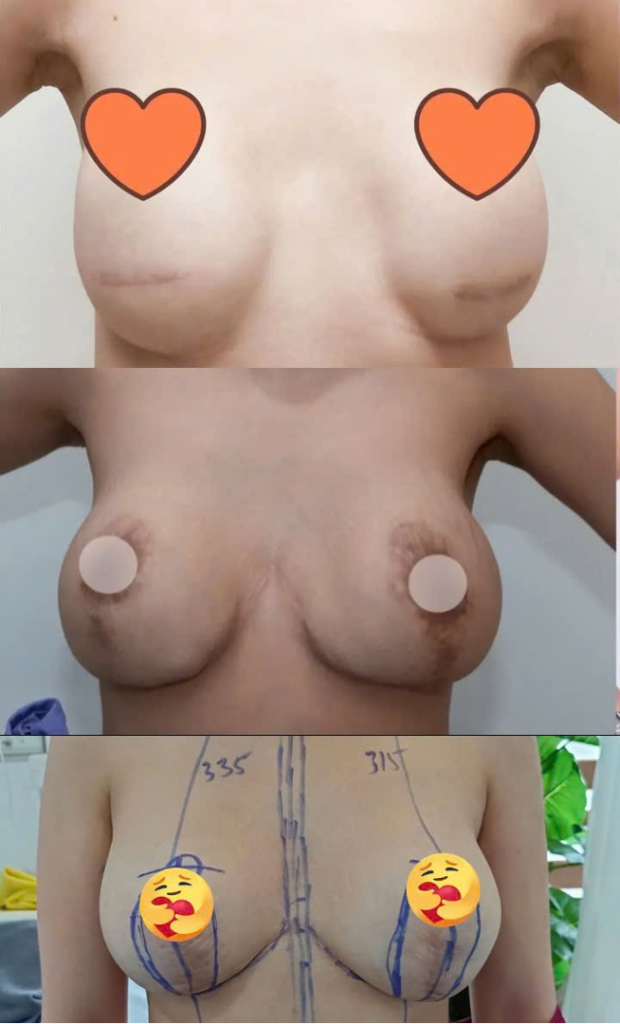
Recovery varies according to the extent of revision.
A relatively straightforward implant exchange may have a different recovery course from a procedure involving capsule surgery, extensive pocket reconstruction, and mastopexy.
During early recovery, patients may experience swelling, tightness, bruising, and temporary changes in breast sensation. Postoperative support garments and follow-up examinations may be recommended according to the procedure performed.
Patients should follow their surgeon’s instructions regarding wound care, activity restrictions, sleeping position, return to exercise, and scheduled follow-up.
Breast shape also continues to evolve as swelling decreases and the implant and surrounding tissues settle.
16. Long-Term Outcomes
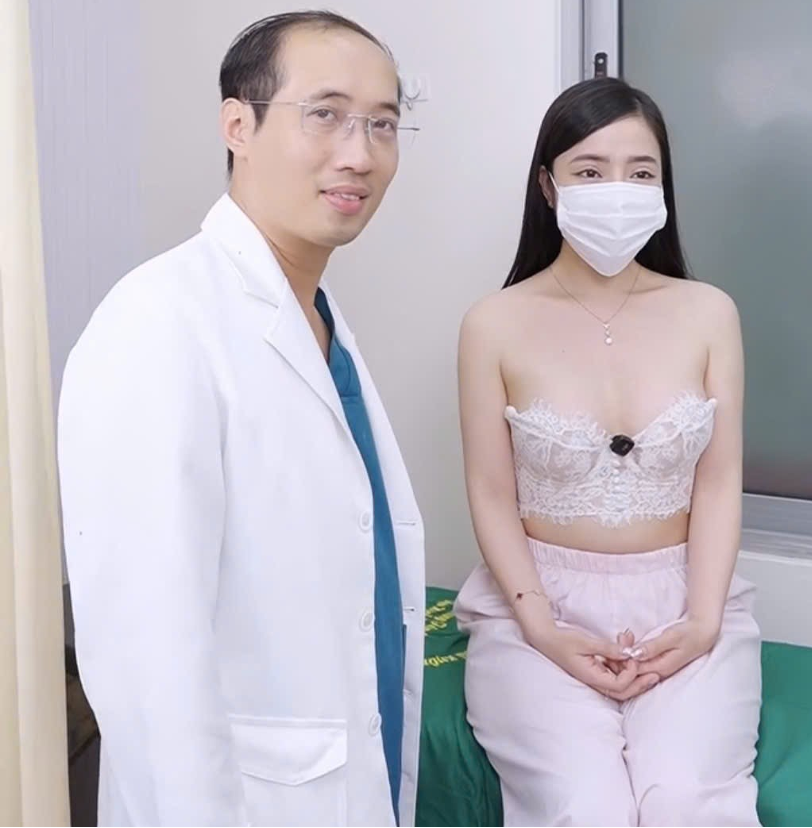
The objective of revision surgery is not necessarily to create perfectly identical breasts. Natural anatomical differences, tissue quality, previous scars, and the effects of earlier operations may limit the degree of correction possible.
Instead, treatment aims to improve breast symmetry, implant position, breast contour, soft-tissue support, and the relationship between the breast, nipple–areola complex, and inframammary fold.
Long-term results also remain influenced by aging, gravity, pregnancy, weight changes, tissue characteristics, and implant-related factors.
For patients who have undergone several previous breast procedures, realistic expectations and individualized surgical planning are particularly important.

Conclusion
Breast revision surgery is often more complex than primary breast augmentation because the surgeon must address not only the implant but also changes created by previous operations and the patient’s current breast anatomy.
Successful revision planning begins with identifying the underlying cause of the problem. Capsular contracture, implant malposition, bottoming out, recurrent ptosis, asymmetry, and tissue changes may each require different surgical strategies.
For this reason, the treatment plan should be individualized according to the implant, capsule, implant pocket, breast tissue, skin envelope, scars, and the patient’s aesthetic goals.